Porsche Cayenne Maintenance Service
Your Questions Answered
Practical answers and recommendations for service intervals,
maintenance costs, and how to care for your Porsche Cayenne
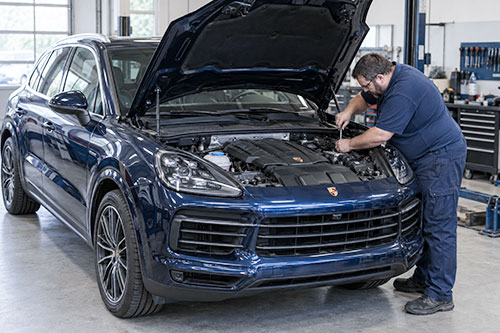 Maintenance Service Tips, Recommendations, and Advice for Porsche Cayenne Owners
The Porsche Cayenne has been in service since 2003 and in general has proved to be a dependable car. Below we share some practical ownership advice and real-world answers to maintenance service questions that help maximize the value of your Porsche Cayenne.
Timely Care for Your Porsche Cayenne
The better you care for your Cayenne, the greater the return when it is time to move on. Practical care for your Cayenne includes the physical appearance and the mechanical condition. Here, we focus on the choices you can make that save you money, protect your investment, and maximize your value.
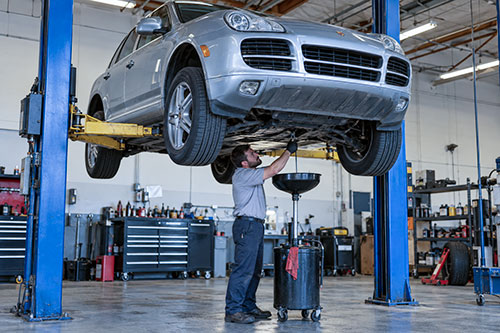 Annual Cost of Maintenance on your Porsche Cayenne
Mileage Affects Service Costs on Porsche Cayenne
Higher mileage can mean higher service costs, particularly for tires and brakes. With the exception of the Cayenne Diesel model, the recommended service intervals include an inspection and oil change every 10,000 miles or 12 months. Because additional maintenance items fall due at various intervals, some years will be substantially more expensive than others.
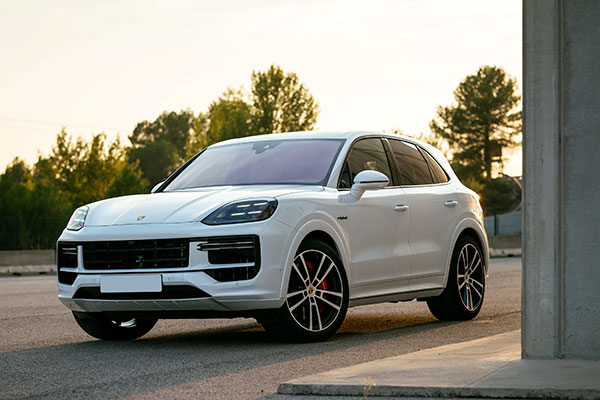 Likely Tire Replacement Cost on a Porsche Cayenne
Don’t fit cheap tires on a Porsche Cayenne. We recommend you replace tires with Porsche N-Specification tires. The Porsche Cayenne generations have varying wheel and tire sizes. Wheel sizes from 18 inch to 21 inch are common and the cost to replace tires rises as the wheel size goes up. When replacing all four tires on your Porsche Cayenne expect to pay between $1200 and $2500 depending upon tire size required. Additional costs for mount and balancing will also add to the overall expense.
TPMS and Wheel Alignment
The later model ADAS-equipped Cayenne may cost significantly more to align if the driver-assistance systems require recalibration. In addition, you should have the age and battery strength of the TPMS sensor checked when replacing tires.
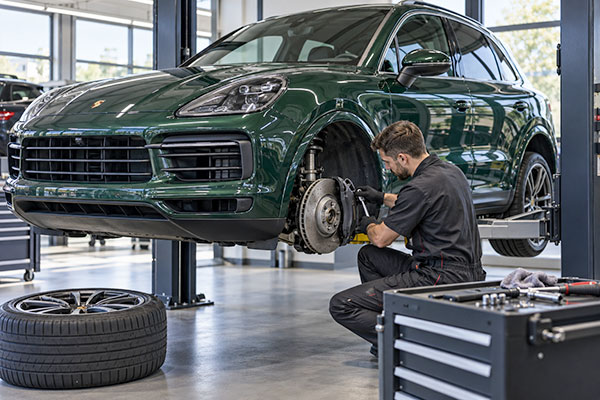 Brake Replacement Cost on a Porsche Cayenne
The cost to replace your Cayenne brakes depends on the generation and brake system installed. Replacing pads, rotors and sensors at all four wheels can cost as little as $1,200 on a first-generation Cayenne (2003–2010), but typically exceeds $2,500 on later models. The larger brakes on the GTS and Turbo models can cost even more to service. Porsche Ceramic Composite Brakes (PCCB) can be considerably more expensive to replace. Check which brake system is fitted to your Cayenne before comparing quotes.
Ask a Porsche specialist to inspect the brakes and quote for the work your Cayenne needs before the brake pad wear indicator comes on.
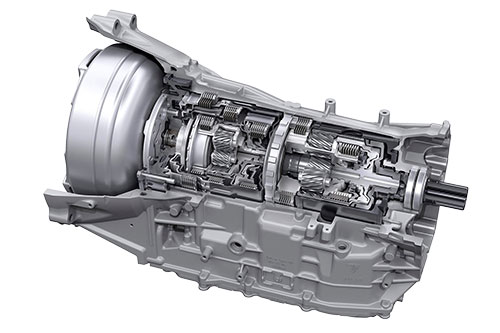 Cayenne Transmission Service Cost
The Cayenne uses a Tiptronic automatic transmission. Service timing depends on its generation and maintenance history, so consult a Porsche specialist before booking the work.
Early Model Cayenne
If the transmission has been serviced regularly, continue following the maintenance schedule. If an older Cayenne has no record of transmission service, have a specialist assess its condition before changing the fluid.
Later Model Cayenne
For recent models, PcarWise recommends a Tiptronic fluid and filter service every 80,000 miles or eight years. Expect to pay more than $1,000; the quote will vary between a Porsche dealer and an independent specialist.
A fluid service is preventative maintenance and is unlikely to fix an existing fault. For symptoms, see our Cayenne common problems guide.

Porsche Cayenne Maintenance Service Questions
Choosing a Porsche Cayenne Service Provider
Can Any Mechanic Service my Porsche Cayenne?
In theory yes, but in practice no! Maintenance service on a Porsche Cayenne requires specific Porsche skills and experience. For example, later Porsche Cayenne models require a very specific procedure involving the connection of a Porsche diagnostic tool to correctly set the oil level after a basic oil change! Ideally you want a well-trained and skilled pair of eyes at a Porsche specialist inspecting your Cayenne and advising you on maintenance and upcoming repairs.
Do I Have to go to the Porsche Dealer for Service?
No, not at all. Many people wrongly believe that they have to use the dealer service to protect their Cayenne warranty. This is not the case. Maintenance service performed at an independent specialist does not invalidate your manufacturer warranty.
Will using an independent Porsche specialist affect my Cayenne warranty?
No. Using an independent specialist does not void the factory warranty. The shop must use the correct parts, fluids and service procedures, and you should retain the itemized invoice as proof that the work was completed. A warranty claim can still be refused if an incorrect service or unsuitable part caused the failure, so choose a shop with genuine Porsche experience. Find a Porsche specialist recommended by PcarWise.
How Do Independent Shops Compare to Porsche Dealers?
Independent Porsche service centers will typically provide more personalized and flexible service options. Additionally, most independent shops will reduce the cost of maintenance service on your Porsche Cayenne. We have partnered with and recommend the top Porsche independent shops in your local area and we have also shared our experience of comparing the dealer service to the independent shop offerings.
Is a Porsche prepaid maintenance plan worth it for a Cayenne?
Usually not, unless the plan is discounted below the cost of the services you will actually use. A prepaid plan ties you to the dealer, does not normally include wear items such as brakes and tires, and may cost more than scheduled maintenance completed by a good independent specialist. Compare the plan price with itemized quotes for the 20,000-mile and 40,000-mile services before buying it. Read our full assessment of the Porsche prepaid maintenance plan.
Porsche Cayenne Service Schedule and Planning
Porsche Cayenne dashboard service indicators and reminders
 Porsche Cayenne service reminders became more specific with each generation. The wording can vary by model year and software version, but the message should be read alongside your Cayenne’s age, mileage and service history.
2003–2010 Cayenne (955/957): The dashboard gives a general mileage countdown, followed by a message such as “Service Now.” It does not tell you whether an annual, intermediate or major service is due. Check the 955/957 maintenance schedule and the work already completed.
2011–2018 Cayenne (958): Separate reminders track the oil change, intermediate maintenance and main maintenance. Each may show miles and days remaining before changing to a “Now” message. More than one reminder can be due at the same time: at the four-year or 40,000-mile service, all three may appear. An oil change alone will not clear the other service requirements. See the 958 maintenance schedule.
2019-on Cayenne (9Y0/9YA/9YB): The display separates oil maintenance from the scheduled inspection. The inspection reminder does not distinguish a 20,000-mile intermediate service from a 40,000-mile major service; the 2019-on maintenance schedule and service history tell you which work is due.
Follow whichever comes first: the mileage or time limit for the relevant service. Once the work is complete, have the applicable reminder reset. Other dashboard messages and warning lights may indicate a fault that needs diagnosis rather than routine maintenance.
When do I need my Cayenne inspected and why?
We recommend you have your Cayenne inspected every 10K miles or 12 months. Inspections are designed to protect your safety and well-being while driving and to advise you on upcoming maintenance and repairs. You want to catch a minor problem before it turns into a major issue. Avoiding the inspection is a recipe for getting expensive repair shocks!
State Inspections for Porsche Cayenne
Some states require vehicle inspections to ensure roadworthiness, safety, and emission compliance. Check with your state to determine the inspection requirements. Many independent shops can perform the state inspection for you while they service your Porsche Cayenne.
When does my Porsche Cayenne need an Oil Change?
Most gasoline Cayennes call for an oil change and inspection every 10,000 miles or 12 months, whichever comes first. Check the schedule for your model and engine: Porsche specified a 5,000-mile or one-year oil interval for US Cayenne Diesels in its 958 maintenance checklists. At the visit, address any other maintenance due before the next inspection.
How often does my Porsche Cayenne need maintenance?
Have your Cayenne inspected every 12 months or 10,000 miles, whichever comes first. Change the oil at the interval specified for its engine; the US 958 Diesel has a shorter mileage interval. At each visit, check its generation-specific maintenance schedule for any additional work due.
An intermediate service is generally due every 20,000 miles or two years, and a major service every 40,000 miles or four years. Items such as spark plugs have their own service intervals, which vary by engine and model year.
Dashboard reminders help you plan the next visit, but the car’s age, mileage and service records determine what work it needs. This matters especially on older Cayennes with incomplete records: ask a Porsche specialist to conduct a thorough inspection to establish what is due.
What are the service intervals on the Cayenne?
The Cayenne generally has an annual inspection and oil service, an intermediate service every 20,000 miles or two years, and a major service every 40,000 miles or four years. Additional items have their own intervals, which vary by generation, model year and engine. Spark plugs are a good example: do not apply one Turbo, V6 or V8 interval to every Cayenne. Check the individual schedule and the spark plug answer below for your model.
For an older Cayenne, the schedule is a starting point. Its service records and current condition matter just as much: a Porsche specialist should inspect the car and identify overdue work rather than assume every scheduled item was completed. See the Cayenne maintenance schedules by generation:
03 – 10 maintenance service schedule
What's included in a Porsche Cayenne annual maintenance service?
A Porsche Cayenne annual maintenance service will typically include:
- Oil change and oil filter replacement
- Full vehicle inspection
- Tire wear check
- Visual inspection for engine or transmission fluid leaks
- Brake pad and disc wear inspection
- Brake fluid level check
- Coolant level check
- Fuel system line and connection inspection
- Washer fluid top-off
- Roof drain check
- Service indicator reset
Based on the visual inspection, and the time and mileage elapsed, additional maintenance items will be recommended. Maintenance items such as filters, will also vary based on environmental conditions and factory recommendations.
Porsche Cayenne Intermediate Service
Your Cayenne is due for an intermediate service every 20,000 miles or two years. The service includes everything in the annual service plus additional maintenance items such as a brake fluid flush and cabin filters. Read more on the intermediate service.
How much does a Porsche Cayenne 20,000-mile service cost?
Budget approximately $700 to $1,200 at an independent Porsche specialist and $1,200 to $2,000 at a dealer. The 20,000-mile or two-year intermediate service normally includes the annual oil service and inspection, plus time-based items such as brake fluid and cabin filters. Model, location and extra work identified during the inspection can change the final price. Ask for an itemized quote and compare it with your Cayenne model recommended maintenance schedule.
Porsche Cayenne Major Service
Your Cayenne is due for a major service every 40,000 miles or four years. The service includes everything in the annual service and the intermediate service, plus additional maintenance items such as spark plugs, filters, and transmission fluid replacement if needed.
How much does a Porsche Cayenne 40,000-mile service cost?
A 40,000-mile or four-year major service will commonly cost $1,800 to $2,800 at an independent Porsche specialist and $2,500 to $4,500 at a dealer. The total depends on the Cayenne model, the generation, and whether spark plugs, filters, and other four-year items are due. Understanding the service history of an older Cayenne model can help control the costs.
Dealer quotations can exceed these ranges, so request a detailed list of parts and labor before approving the work. Review the Cayenne model service intervals and compare dealer pricing with a qualified independent Porsche specialist.
What should I expect at the next service on my Cayenne?
Expect higher maintenance costs every two years or 20,000 miles, when additional service items become due.
Does a low-mileage Porsche Cayenne still need servicing every year?
Yes. Porsche maintenance is based on time as well as mileage. A Cayenne that travels only a few thousand miles still needs an annual inspection and oil service because engine oil absorbs moisture, batteries deteriorate, brake fluid takes on water and tires age even while the car is parked. Low mileage may reduce wear, but it does not eliminate time-based maintenance. Follow the earlier of the mileage or time interval shown in the right generation Cayenne maintenance schedule.
What maintenance should I complete after buying a used Cayenne with incomplete service records?
Start with a full inspection by a Porsche specialist and establish a reliable maintenance baseline. If there is no proof that an item was completed, do not assume it was. Confirm the oil service, brake fluid, spark plugs, filters, transmission service, differential fluids, battery condition, tire age and brake wear against the car’s age and mileage. Catching up on overdue maintenance may be expensive, but it is less costly than waiting for a preventable failure. Use the matching generation Cayenne maintenance schedule and ask a Porsche specialist to prioritize safety and overdue items first.
Where can I find my Porsche Cayenne service history?
For a 2003–2010 Cayenne (955/957) or 2011–2018 Cayenne (958), start with the maintenance booklet and itemized invoices supplied with the car. Do the same for a 2019–2021 Cayenne; its service history will not appear in the My Porsche digital maintenance history.
For an older Cayenne with missing invoices, a CARFAX vehicle history report may reveal some past service visits and help identify shops you can contact for records. Treat it as a lead rather than a complete service history: work that was never reported to CARFAX will not appear.
For 2022-on Cayennes, check Vehicle details → Maintenance History in the My Porsche app as well. Porsche says this feature shows eligible service records from April 2025 onward, after the car’s first recorded service at an authorized Porsche dealer. It is not a complete history of earlier work, so keep the booklet and invoices, especially for work done by an independent specialist.
Each invoice should record the date, mileage, work completed, parts and fluids used. Together, these records help you identify overdue work, avoid paying twice for the same service and document the car’s care for its next owner. Porsche explains the feature in its My Porsche digital maintenance history guide.
Does towing change my Porsche Cayenne’s maintenance needs?
Yes. Towing adds more load to the engine, transmission, cooling system, brakes and tires. The heavier the trailer, steeper the grades or hotter the weather the more load and wear happens. Tell your Porsche specialist how much and how often you tow so they can factor that into service recommendations. They can check brake wear, tire condition, cooling system efficiency and drivetrain operation at each service with towing in mind. Frequent heavy towing may justify earlier fluid changes, but the right interval depends on your Cayenne’s generation, engine and use.
Does a Porsche Cayenne E-Hybrid need different maintenance?
Yes. An E-Hybrid still needs the scheduled maintenance for its gasoline engine, brakes, tires and transmission, plus checks and service specific to its hybrid system. The requirements vary by generation – for example, Porsche’s 2015–18 Cayenne S E-Hybrid schedule includes a supercharger belt replacement every 60,000 miles or six years. Use the schedule for your exact model year and have hybrid-specific work performed by a suitably trained Porsche specialist.
Porsche Cayenne Engine and Routine Maintenance
What oil is recommended for my Cayenne?
The correct oil requirement depends on your Cayenne’s model year and engine. Check the Porsche specification in the owner’s manual before choosing a product, particularly for Diesel and E-Hybrid models. PcarWise’s recommendation below is separate from identifying the factory oil requirement.
PcarWise Recommends Evolve EvoSyn For Porsche
Evolve Lubricants created and introduced the world’s first high-performance renewable nontoxic motor oils meeting and exceeding API and ACEA manufacturer requirements.
Significantly Better Oil By Design
Evolve oil is completely different – like comparing a GT3 to a bicycle! Evolve designed, patented, and uses a ground-breaking, plant-based hydrocarbon molecule that significantly outperforms the synthetic oil in your engine today – no matter what brand you choose. Evolve oil is superior to every other oil recommended for your Porsche and does not behave or degrade the way petroleum-based synthetic oils do.
Should I change my Cayenne oil every 5,000 miles instead of 10,000 miles?
Porsche’s normal interval is 10,000 miles or 12 months, whichever comes first. A 5,000-mile oil change can be sensible for a Cayenne used for repeated short trips, heavy stop-and-go driving, very hot or dusty conditions, towing, or long-term ownership. It’s additional preventative maintenance rather than a universal requirement.
Some owners change their Cayenne’s oil at 5,000 miles because they are concerned about the oil losing its protective qualities before the scheduled service. Evolve EvoSyn is designed to resist that degradation throughout Porsche’s normal 10,000-mile interval, so PcarWise does not recommend an early change solely for that reason. Continue to follow the time-based service requirement and have the car inspected annually; unusual use or a diagnosed problems may call for different advice.
Why is my Cayenne requesting an oil change earlier than expected?
The dashboard service indicator considers elapsed time as well as mileage, and some driving conditions can bring the reminder forward. Frequent cold starts, short journeys and extended idling are hard on engine oil because the engine may not remain hot long enough to remove fuel dilution and moisture. Check the date and mileage of the previous service first. If the reminder appears unexpectedly, have a Porsche specialist confirm the service history and check that the indicator was previously reset correctly.
How do I check and top up the oil in my Cayenne? No dipstick?
The first-generation Cayenne (955/957, 2003–2010) has a mechanical oil dipstick on its V6 and V8 engines. With the second-generation Cayenne (958, introduced for 2011), Porsche moved to an electronic oil-level display. This applies to the V6 and V8 gasoline models and continued with later Cayenne engines, including the 2019-on generation.
For a Cayenne with electronic measurement, park on level ground and follow the instructions in the instrument display or your owner’s manual. The engine may need to be warm, and a valid reading may not appear immediately after opening the hood or adding oil. If oil is needed, add the correct product in small amounts and recheck the level. Do not guess or overfill the engine. On an older Cayenne, check the dipstick using the procedure in its owner’s manual.
When does my Cayenne need a cabin filter?
The real answer to when you need a replacement cabin filter on your Porsche Cayenne is when it’s dirty! The factory recommendation for replacement of the cabin filter on most Porsche Cayenne models is every 20K miles or 2 years. However, this will change based on the environment in which you live. How dirty is the filter today?
How Clean is Your Air?
You’re breathing what’s coming through that cabin filter when you drive the car. So, this is a health consideration for you and the occupants of the car. A clean cabin filter free from debris also helps the HVAC system to work more efficiently. Sometimes, dirty cabin filters lead to blower motor issues and mold build-up within the HVAC system. Having a clean filter is best.
Most Porsche models now have two cabin filters – a pre-filter and main filter. Both should be replaced at the same time.
When do I need a replacement air filter on a Porsche Cayenne?
Engine air-filter intervals vary by Cayenne generation and engine. Porsche’s schedules for many earlier gasoline models list replacement at 80,000 miles or four years; some Diesel models have a different interval. PcarWise recommends inspecting the filter at each service and replacing it sooner when its condition warrants it.
Dusty or sandy conditions can shorten filter life. Ask your Porsche specialist to check the filter rather than relying on mileage alone.
When does my Porsche Cayenne need wiper blades?
There’s no hard and fast rule as to when your wiper blades should be replaced on your Porsche Cayenne. In most climates, the blades typically need replacing every 12 months but are often overlooked until the 2 year intermediate service.
The best way to tell if you need new wiper blades is to judge the way they clear the windscreen of water. You don’t want to see any streaks, missed sections, or bouncing of the blade – this makes driving in heavy rain dangerous, especially at night.
How to Tell if You Need New Wiper Blades on a Porsche Cayenne
In rainy climates, judging if you need new wiper blades on your Cayenne is quite easy, however, drivers tend to become accustomed to poorly performing wipers. In colder climates, freezing weather also does significant damage to wiper blades. If rain is falling and freezing while your Cayenne is parked outside, lift the blades away from the screen to stop them freezing to it.
In warmer climates with long dry periods and a lack of use, it’s easy to forget the performance of your wiper blades. Hot weather can also do significant damage to the rubber on wiper blades while they sit unused. Check the blades before the rainy season starts.
Use the windshield washers to test how well the blades clear the screen on a regular basis. A single swipe should leave you completely free of water or debris obstructing your vision. If in doubt, replace the blades.
When does my Porsche Cayenne need spark plug replacement?
Spark plug replacement depends on your Cayenne’s model year and engine, not simply whether it is a V6, V8 or Turbo. Replace them at the mileage or time limit specified for your car, whichever comes first.
Check the individual schedules to confirm:
03 – 10 maintenance service schedule
11 – 18 maintenance service schedule
2019+ maintenance service schedule
- 2003–2006 Cayenne (955): Porsche listed 40,000 miles or four years for the V6 and Turbo, and 60,000 miles or four years for the Cayenne S V8.
- 2008–2010 Cayenne (957): The V6, S and GTS were listed at 40,000 miles or four years; the Turbo and Turbo S at 30,000 miles or four years.
- 2011–2018 Cayenne (958): Intervals vary by year and engine. The V6 and Hybrid commonly fall at 40,000 miles or four years, while the Turbo and some later Cayenne S models fall at 30,000 miles or four years.
- 2019-on Cayenne: Do not assume the Turbo badge determines the interval. Recent models may require plugs at 30,000 miles or three years. Check the schedule for your exact model year and engine.
Worn plugs on gasoline and E-Hybrid models can cause rough running, misfires and increased fuel use. If you have bought a used Cayenne without proof of replacement, ask a Porsche specialist to check what is due.
Low-mileage Cayenne drivers
Mileage is only half the schedule. A Cayenne that covers few miles can still reach its spark plug time limit. Check the date of the last replacement rather than waiting for a misfire or a mileage milestone.
Should the ignition coils be replaced on the Cayenne when the spark plugs are changed?
No, not automatically. Ignition coils are not normally a scheduled replacement item. During a spark-plug service, the technician should inspect the coils and replace any with damaged housings, deteriorated boots, corrosion or evidence of misfiring. Replacing every coil preventatively may make sense on an older, high-mileage Cayennes with a history of coil failures, but it should not be added to a routine spark-plug service without a solid reason.
When does the Porsche Cayenne need a drive belt?
The drive belt schedule depends on your Cayenne’s generation and engine. On first generation Cayennes (2003–2010), have the belt inspected at each service and replace it when worn. The second generation (2011–2018) also calls for regular inspection; the S Hybrid and S E-Hybrid have a supercharger drive belt with a scheduled replacement at 60,000 miles or six years. For 2019 and newer Cayennes, check the maintenance schedule for your specific model rather than assuming the same replacement interval applies.
Climate and Drive Belt Wear on a Porsche Cayenne
Age, heat and exposure to oil or coolant can shorten belt life. Have a Porsche specialist check the belt during routine service and replace it early if it shows cracking, fraying or other wear.
When Should I Change the Coolant in My Porsche Cayenne?
Coolant helps control engine temperature, protects internal cooling-system components and provides freeze protection. There is no universal 40,000-mile or four-year coolant replacement interval for every Cayenne. The right decision to replace the coolant depends on its condition, the car’s service history and any cooling-system repairs.
For the 955/957 Cayenne (2003–2010), age and an uncertain service history make a cooling-system inspection particularly useful. On the 958 Cayenne (2011–2018) and 2019-onward models, have the coolant level, concentration and system condition checked during routine service. If the system has been drained for a repair, it must be refilled and bled using the correct procedure for that model. Find the maintenance schedule for your Cayenne generation.
Does Climate Affect Cayenne Coolant?
In cold climates, ask a Porsche specialist to test the coolant’s freeze protection before winter. In hot climates, pay close attention to coolant loss, leaks and rising engine temperature. A weak mixture, contamination or a cooling-system fault calls for diagnosis; a flush alone will not repair a leak or an overheating problem.
Does my Porsche Cayenne need a tune-up?
Modern vehicles do not require a “tune-up” per se. The engine management in your Porsche Cayenne adjusts the engine performance automatically based on conditions. The regularly scheduled maintenance service intervals should take care of any need for a tune-up.
Does the Cayenne air-conditioning system require scheduled servicing?
There is no routine requirement to replace refrigerant simply because the car has reached a particular age or mileage. Replace the cabin filters at the scheduled interval and have the air-conditioning system inspected if cooling performance drops, an odor develops or the compressor becomes noisy. Refrigerant does not get used up. If the level is low, the system has probably leaked and should be diagnosed before it is recharged. Cabin-filter timing is included in the Cayenne maintenance schedule.
Should the roof drains on a Porsche Cayenne be cleaned regularly?
Yes. The roof drains should be inspected as part of the annual service. Leaves and dirt can block the drain inlets and allow water to reach the headliner, pillars, carpets or electrical components. Cleaning must be done carefully because aggressive compressed air or rigid tools can disconnect or damage a drain tube. The drains should be checked during the annual service, particularly if the car is parked outside.
Porsche Cayenne Brake Maintenance
When will my Porsche Cayenne need new brakes?
Brake wear on the Porsche Cayenne varies from model to model and is directly relevant to the mileage driven. Driving around town in traffic can quickly degrade the brakes versus interstate driving with fewer stops. Your driving style also has a significant effect on brake life! If you’re the queen of late, hard braking, this will cause the brakes to need replacing sooner. More planned, refined and gentle stops definitely give you longer brake life.
A brake pad wear warning light or message on your dashboard will indicate when brake replacement is due. At your annual service the inspection should include the amount of life estimated to be left on the brake pads at that time. Given the cost of brake maintenance, needing to replace your brakes should never come as a surprise!
Brake Pad Wear Indicator on Porsche Cayenne
The Porsche Cayenne includes brake pad wear indicators or pad sensors. These electrical connectors in the brakes tell you when the brake pad material has declined to a level where the brakes need replacing. Your Porsche Cayenne will inform you of the need to replace brakes in your driver’s dashboard display. The varying generations of Cayenne have different messages ranging from a brake pad light to a more advanced warning message in later models.
If the brake wear message appears, you need to replace the brakes ASAP.
Do I Need Brakes if the Brake Pad Wear Message or Indicator is not turned on?
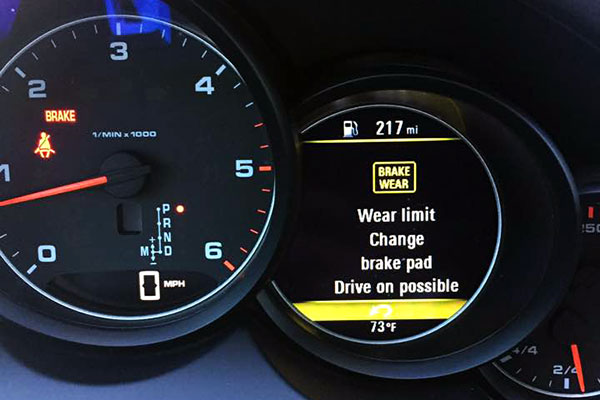 No and potentially yes! A vehicle inspection by a professional should report back to you the remaining life of the brake pads in millimeters. If the pads are close to the minimum specifications and haven’t yet triggered the driver pad wear message, you still have a little time left on the brakes despite a recommendation to replace them.
However, it’s best to factor in the inconvenience of having to return to get the brakes replaced and the danger that they will be at the minimum wear level when you need the car for an extended period e.g., a road trip. If the wear on the pads is close to triggering the wear message, it may be only a matter of a few stops before the message comes on.
You might see a message saying “brake replacement needed driving permitted.”
Do I need to replace brake pads and rotors on my Cayenne?
Porsche specialists recommend replacing pads and rotors together. Whilst the wear indicator is on the brake pad, the brake rotors also wear significantly. Brake rotors on Porsche vehicles have an optimized thickness designed to reduce weight when not being used, but also to last effectively through the brake pad wear cycle. The thickness of the rotor declines along with the brake pad.
Brake rotors are worn in the same pattern as the old brake pads. Adding new pads to old rotors typically causes the new brake pads to wear very quickly. In worst cases, the brake rotor can fail if it is not replaced when the pads are – this can cause a sudden a loss of brake performance. No brakes is not a good thing – especially on a vehicle the size of the Cayenne!
Brake Noise on a Porsche Cayenne
You may occasionally hear brake noise when reversing or after the Cayenne has been parked in rain or snow. However, under normal circumstances no brake noise should be evident. If you do experience increased brake noise, have a professional Porsche specialist check your brakes ASAP.
Does my Porsche Cayenne need front or rear brakes replaced?
Often the brake pad replacement warnings on the Porsche Cayenne are not detailed enough to provide the answer as to which axle the brakes need to be replaced on – front or rear or both.
A Porsche specialist can provide the answer very quickly and advise you on which set of brakes or indeed if both the front and rear brakes should be replaced.
How Long Do Brakes Last on a Porsche Cayenne?
As a rough guide, plan for brake pads to last 30,000–50,000 miles. Front brakes often wear sooner than rears, but the result varies with the Cayenne model, driving style, terrain and towing. Pads and rotors should be inspected at each service; replace them based on measured wear and condition, not a fixed mileage. Hybrid models may also wear their friction brakes differently because regenerative braking handles some of the slowing.
How often do both front and rear brakes need replacing on my Porsche Cayenne?
Front brakes often wear faster because braking transfers weight toward the front of the Cayenne. However, there is no reliable two-to-one rule for brake life.
The rear brakes can also be used by the Cayenne’s traction and stability systems to control wheel slip and help the car through corners. Worn tires, slippery roads and spirited driving can increase that work, sometimes without the driver noticing. Brake wear varies by model and driving conditions, so have the front and rear pads and rotors measured separately. Replace each axle when its condition calls for it; both axles do not automatically need replacement together.
When do I need a brake fluid flush on my Porsche Cayenne?
Porsche recommends a brake fluid flush on your Porsche Cayenne every two years regardless of mileage. Healthy brake fluid is an important part of ensuring your brakes work in an emergency situation and should not be skipped.
Why Change or Flush Brake Fluid on a Porsche Cayenne?
The brake fluid is the key component that transmits pressure from the brake pedal to the brake pads. Over time the fluid degrades and its ability to communicate the pressure from your brake pedal declines. Brake fluid gradually absorbs moisture, which lowers its boiling point and can reduce braking performance under demanding conditions. Over time you’ll feel more brake pedal travel and less response from the brakes initially. Replacing the fluid brings back a sharp pedal feel and confidence in your brakes.
The fluid looks OK in the brake fluid reservoir on my Cayenne
Fluid in the brake fluid reservoir should always be clean. This is not the issue that the brake fluid flush is concerned with. The fluid in the lines and calipers that you can’t see is what needs to be replaced. Brake fluid in the calipers can get extremely hot during extended braking. The heat can quickly degrade the fluid performance and removing it from the caliper is an important safety service.
Porsche Cayenne Tires, Wheels and Alignment - Maintenance
When do I need new tires on a Porsche Cayenne?
Replace your Cayenne’s tires when tread wear, damage or age makes them unsuitable for continued use. Check all four tires at each service, including the inner shoulders where uneven wear can be easy to miss.
Cayenne tire wear
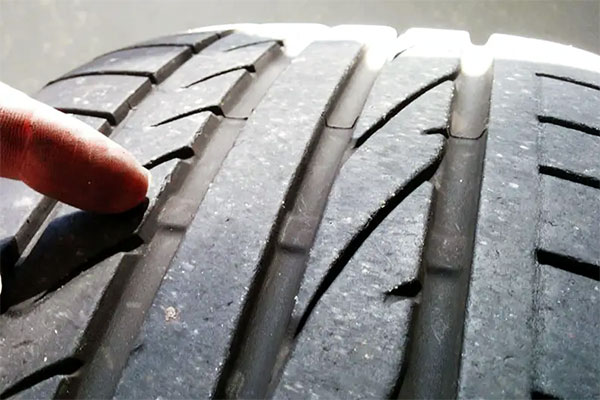 If your tires have been correctly inflated and you have good alignment, the tires should wear evenly across the tread. Between the grooves in the tread pattern are horizontal bars designed to make increased noise when the tire has worn to expose them. Once those bars are level with the tire grooves the “must replace” last moment has arrived. Tires at this level of wear can be dangerous and are more exposed to aquaplaning and less likely to provide grip in wet conditions. We recommend you replace your tires before you reach this level.
Tire Age – DOT
Tires have a shelf life and an operating lifetime. Climatic and road conditions have a significant effect on the life of a tire. Road chemicals in cold climates can shorten the life of many tires. In general, tires over 5 years old begin to degrade rapidly. The rubber cracks and the sidewall weakens. Tires over 5 years old should be considered for replacement even if they have low tread wear.
Do I need to replace all four tires on my Porsche Cayenne at once?
Not always. Tires should be replaced at least in pairs on the same axle. Replacing just two can be appropriate if the other pair is in good condition and all four tires remain compatible in make, type and Porsche N specification. If the existing tire design on your Cayenne is unavailable, or the remaining tires are substantially worn or aged, a matched set of four is always the safer choice. Have all four tread depths checked before deciding.
What is the correct tire pressure for my Cayenne?
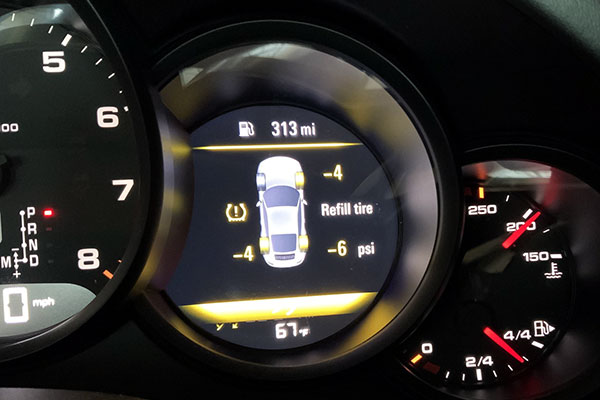 Having the right tire pressure on your Porsche Cayenne is good for safety and long-term tire wear. Tires that are underinflated or overinflated will wear out quicker and can be dangerous while driving. Pressure in the tires is affected by air temperature, so don’t be surprised if the TPMS light comes on when the outside temperature suddenly falls.
The tire pressure monitoring system or TPMS will warn you when pressure in the tires is too low. On later models, the system will show the pressure in each tire and the suggested amount to add if needed. Tires should be inflated to the correct pressure when they are cold.
On earlier models without the graphic TPMS system, check the sticker on the driver’s door pillar. This will provide the correct cold tire pressure settings for the original wheel size fitted to the Cayenne.
What brand of tires work on the Porsche Cayenne?
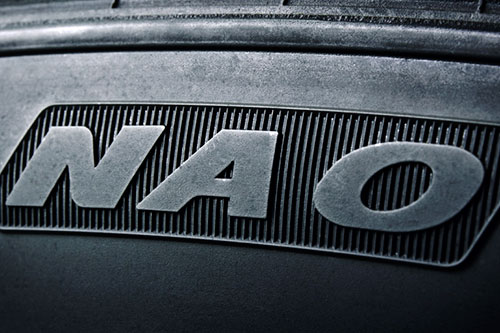
Porsche N-Specification Tires
Porsche Cayenne – NC# Designation
Your Porsche Cayenne has been designed for high performance handling in varying road conditions. Safety, comfort, and handling in both wet and dry conditions is part of the unique high performance design. Porsche works closely with a limited number of tire manufacturers to approve tire designs that optimize the performance and safety of the Cayenne.
Tires that reach the demanding performance levels set by Porsche are given an “N Specification” approval on the tire wall. The N-specification includes two letters followed by a number. The first letter is always “N,” and this indicates the tires have been approved by Porsche. The second letter in the designation identifies which Porsche chassis the tire was designed for.
“C” represents tires designed for the Cayenne.
In the case of the Cayenne you should be looking for tires with a “NC#” on the sidewall. The # signifies the tire design version, for example, NC0 is the first version of the tire and NC2 would be the 3rd version of the tire design.
We recommend “NC#” tires approved by Porsche for the Cayenne.
Do I Need to Rotate the Tires on My Porsche Cayenne?
2003–2018 Cayennes (955/957 and 958): Front-to-rear rotation may be possible if all four tires and wheels are the same size and the tires’ tread design permits it. Check the sizes fitted to your car before booking a rotation.
2019-onward Cayennes: These models generally have wider rear tires. Because the front and rear sizes differ, they cannot be rotated front to rear.
At each service, have the tread depth and wear pattern checked on all four tires. Uneven wear may call for an alignment or suspension inspection; moving the tires will not correct the cause. A Porsche specialist can confirm whether rotation makes sense for your particular wheel and tire setup.
How often do I need the wheels balanced on my Cayenne?
The wheels on your Porsche Cayenne should only need balancing when a tire replacement happens.
Wheel Vibrations on Your Porsche Cayenne
In some circumstances, wheel weights can fall off or damage from the road can occur that does require wheel balancing. This is more unusual and typically detected by a speed-related vibration. A vibration in the steering wheel indicates a front wheel problem and a vibration in your seat normally means an out-of-balance condition on the rear wheels.
Does the Porsche Cayenne tire-repair sealant expire?
Yes. Check the expiration date on the tire-sealing compound carried in your Cayenne and replace it when it expires. Also check that the compressor and other roadside equipment are present and working. The older schedules may specify a four-year replacement; Porsche’s 2015–2018 checklist says to check the expiration date and replace the sealant as necessary.
When do I need an alignment on my Porsche Cayenne?
In general, the Porsche Cayenne should only need an alignment when tires are replaced or suspension repairs are necessary.
It’s important to maintain good alignment to ensure safety and even tire wear. Bad alignment can destroy tires really quickly and can prove dangerous if not corrected. During the life of the tires, suspension wear can also change the alignment. Correcting this at the time of tire replacement is optimal.
Bad Roads Cause Alignment Problems
If you live in a climate that produces potholes and uneven road surface gaps, it’s quite easy to knock your alignment out. Regular inspections of your Cayenne will reveal the extent of the changes in wheel alignment and the regularity of adjustments needed.
Can anyone perform a wheel alignment on my Porsche Cayenne?
Yes, most shops that replace tire or perform suspension repairs can perform an alignment. However, some later Cayenne models have driver-assistance systems that may require specialist calibration following an alignment. Confirm that the shop has the correct Porsche alignment and calibration equipment.
How to Detect Bad Wheel Alignment on the Cayenne
Minor changes in the degrees of camber or toe in the suspension can have serious effects on your wheel alignment. In most cases you won’t really notice the change from a driving position. The most common sign of bad alignment is uneven tire wear or a steering wheel not centered.
The worse the alignment problem is, the more pronounced it becomes when driving your Cayenne. If your Cayenne does not steer in a straight line while lightly holding the steering wheel or tends to drift right or left, then it’s likely you need an alignment or at least an inspection of the suspension.
Porsche Cayenne Transmission and Drivetrain Maintenance
When does my Porsche Cayenne need a transmission service?
The need to perform a transmission service on the Porsche Cayenne is conditional upon time, mileage and model variation.
Porsche Cayenne V6 / V8 / Turbo Models | 2003 – 2010 | 955 – 957
The automatic transmission fitted to the original Cayenne was designed for extended times between transmission services. The original recommendations for transmission service are at 16 years or 160K miles.
However, if the transmission has been regularly serviced despite the recommendations, it is better to continue with the regular service plan. Knowing the history of transmission service is important before undertaking any work.
Porsche Cayenne V6 / V8 / Turbo / Hybrid Models | 2011 +
The 2011-onward Cayenne uses a later Tiptronic transmission. Porsche’s published schedule for the 958 listed transmission fluid and filter replacement at 160,000 miles or 16 years. PcarWise recommends a shorter preventative interval of 80,000 miles or eight years on these older vehicles. Review the car’s service history with a Porsche specialist before deciding when to do the work.
Does my Porsche Cayenne need a differential oil service?
Eventually, yes. Porsche recommends replacing all final drive or differential oil at 16 years or 160K miles on the Porsche Cayenne. There’s no harm in completing this early but it shouldn’t be necessary to service the differentials in the Porsche Cayenne for an extended period.
When should the Cayenne all-wheel-drive controller oil be serviced?
The interval depends on the Cayenne generation and all-wheel-drive system. PcarWise recommends discussing an earlier preventative oil change with a Porsche specialist, particularly on later Cayenne models. Check the schedule for your exact model before treating any interval as a Porsche requirement.
Porsche Cayenne Battery Maintenance
When do I need a new battery in my Porsche Cayenne?
The 12-volt battery starts the engine and supports the Cayenne’s electrical systems. Have its condition checked during the annual service, especially once it is several years old. Battery life varies with use, climate and the type of battery fitted; a test is more useful than replacing it solely because it has reached a particular age.
How to Know if You Need a New Battery in Your Cayenne?
A good quality battery should last 5 to 7 years in your Porsche Cayenne. However, the life of a battery can be considerably shortened by driving factors, such as the number of engine starts, temperature, and the use of major power consumers e.g., air conditioning.
If you experience slower engine cranking in colder temperatures, dull lighting, unusual electrical system performance, or a lack of available accessories, have the health of your Porsche Cayenne battery checked ASAP.
Every battery has a manufacturing date shown on the top casing. If your battery is five years old, you should consider replacing it as a precaution, even if it seems to perform well today. Batteries tend to go bad suddenly and often there are no warning signs.
Should I put a Porsche battery in my Cayenne or an aftermarket version?
If you are replacing your battery in your Porsche Cayenne, the choice between an aftermarket supplier or a factory Porsche battery usually comes down to cost. The aftermarket battery will likely be less expensive and may come with a longer warranty. However, some caution is needed before making the decision purely on cost.
On older Cayenne models with standard AGM batteries, there are a number of battery manufacturers that can be considered versus the factory battery. It’s important to match the output and cold cranking amp performance to the original battery specifications if choosing an aftermarket option. The more sensitive the electronics fitted to the Cayenne model, the more sensible it is to lean towards a factory battery.
Lithium Ion Batteries in Porsche Cayenne
If you have a Porsche Cayenne with a Lithium Ion battery, replacing it is an expensive situation. There are a number of emerging solutions, including repairs for the lithium ion battery, however, most owners are having to replace battery at costs exceeding $2K.
Does a replacement Porsche Cayenne battery need to be registered or programmed?
Yes. The replacement battery should be registered with the Cayenne’s battery-management system using Porsche PIWIS or a compatible diagnostic tool. Registration tells the charging system that a new battery has been installed. Additional coding may be necessary if the battery capacity or technology changes. Fit the correct battery type and specification, maintain power to the vehicle where the procedure requires it, and allow a Porsche specialist to complete the registration and clear any related faults. Find a qualified Porsche repair shop.
Does My Porsche Cayenne Have a Lithium Battery?
Many 2019-onward Cayenne models have a lightweight 12-volt lithium battery that powers the vehicle’s electrical systems. Earlier 955/957 and 958 Cayenne models generally use a conventional 12-volt battery. A Cayenne E-Hybrid may also have a separate, high-voltage lithium battery for electric driving; that is a different component with a different repair process.
Do I Need to Replace a Cayenne Lithium Battery When a Warning Appears?
Not necessarily. The 12-volt battery can temporarily shut itself down to protect against excessive discharge. A Porsche specialist should check its status with Porsche-compatible diagnostics before recommending an expensive replacement. An ordinary battery tester cannot reliably assess it.
If replacement is necessary, use the battery specified for your Cayenne. Do not substitute a cheaper AGM battery for a vehicle equipped with the 12-volt lithium version. For storage, use a charger with a mode approved for Porsche 12-volt lithium batteries.
When Does My Porsche Cayenne Need a New Key Battery?
 A Cayenne key battery typically lasts around three years, although frequent use can shorten its life.
On 955/957 Cayennes (2003–2010), reduced remote range or buttons that work intermittently may be your first clue. 958 Cayenne models (2011–2018) and 2019-onward models may also display a key-battery warning. Replace the battery when you notice these signs, using the type specified for your key.
If the battery dies completely, your Cayenne may still have a way to unlock and start the car using the emergency key and key-recognition procedure. The steps vary by generation, so check your owner’s manual before you need them. Battery replacement is usually straightforward, but take care not to damage the key casing.
Missing a question?
If you have a question in regard to maintenance service on your Porsche Cayenne that we haven’t covered here, feel free to use the form below to contact us. Maintenance rarely fixes a problem and is designed to be preventative. If you suspect you have a problem that requires repair work, reach out to a recommended Porsche specialist. You can also check the symptoms of a problem against the known or most common Porsche Cayenne problems.