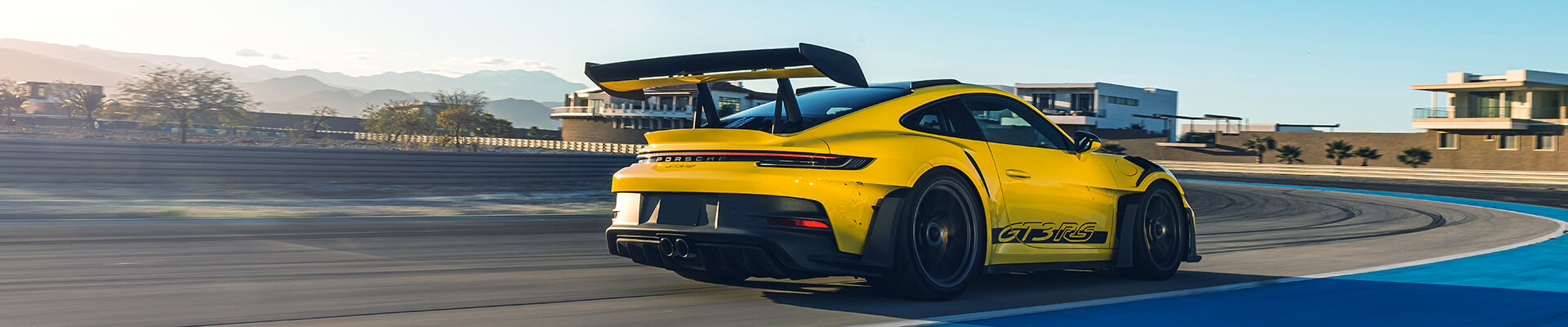
FU3L Synthetic Fuel Technology for Porsche
 The Future of High-Performance Porsche Fuel
Internal combustion Porsche cars are not disappearing any time soon – especially GT, RS, and motorsport platforms. But the future of performance fuel is changing rapidly, driven by emissions pressure, motorsport sustainability targets, and the need to preserve high-performance combustion engines long term.
Advanced Synthetic Fuel Technology
FU3L is part of the next-generation fuel movement, developing advanced synthetic and renewable fuel solutions designed for modern performance applications. Instead of changing the engine, the focus is on changing the fuel itself to achieve emission goals.
What FU3L Is Known For
FU3L develops synthetic and sustainable high-performance fuels designed for motorsport and enthusiast applications. FU3L is made from second-generation biomass residues and achieves a near-closed carbon cycle for significantly lower greenhouse gas emissions. The company focuses on creating “drop-in” fuels that work with existing combustion engines while reducing reliance on traditional fossil-based fuel sources.
The brand is best known for combining:
- High-performance fuel chemistry
- Renewable fuel technology
- Motorsport compatibility
- Existing engine compatibility without modification
Rather than approaching sustainability from a compromise mindset, FU3L positions synthetic fuel as a way to help preserve performance driving and internal combustion platforms into the future.
 Motorsport Is Moving Toward Sustainable Fuel
Motorsport is increasingly becoming the testing ground for advanced synthetic fuels with Formula 1 already making the switch. Racing environments place extreme demands on fuel stability, combustion consistency, and thermal performance – making them ideal for developing future road fuel technologies.
FU3L’s involvement in Porsche-related motorsport environments is part of a broader industry shift toward lower-emission racing fuels and sustainable combustion technology. FU3L is the exclusive supplier for the Porsche Carrera Cup series in Benelux.
Proving Existing Engines Can Continue Operating
One of the most important aspects of synthetic fuel development is compatibility with existing engines. Unlike full drivetrain conversion strategies, synthetic fuel aims to work within current combustion systems and the delivery supply mechanism rather than replacing them entirely.
For Porsche owners, that matters because:
- Existing GT and RS platforms remain usable
- Your investment is protected
- No engine redesign is required
- Classic and modern performance cars retain value
- Adhering to emission standards does not stop you driving your car
- Traditional combustion engine skills are protected
Synthetic Fuel as a Replacement for Pump Gasoline
Eventually, synthetic fuel could replace pump gasoline. How far away that is remains to be seen. In the short term, FU3L has products available for road cars, marine engines, race cars, and even small engines, such as generators. FU3L is increasing distribution of it’s products and the most likely place you can try it first will be at the race track.
Synthetic and renewable fuels are currently evolving through:
- Motorsport programs
- Limited production applications
- Performance-focused markets
Availability, infrastructure, and cost are still developing. However, the broader direction of the industry suggests synthetic fuels may become increasingly important for preserving high-performance combustion vehicles in markets with tightening emissions requirements.
At PcarWise, we see synthetic fuel technology as one of the most important long-term discussions in the Porsche world. Not because it replaces electrification – but because it may help preserve the investments we have in our existing and future Porsche ICE models. The future of Porsche enthusiasm may not depend entirely on replacing combustion engines with electric motors. It may well depend on evolving the fuel and lubrication that powers them.