Porsche 911 992 Buyers Guide 2019 – 2024
Practical Expert Advice to Help You Successfully
Buy a Porsche 911 992.1 2019 – 2024
 Porsche 911 992 – Modern Refinement
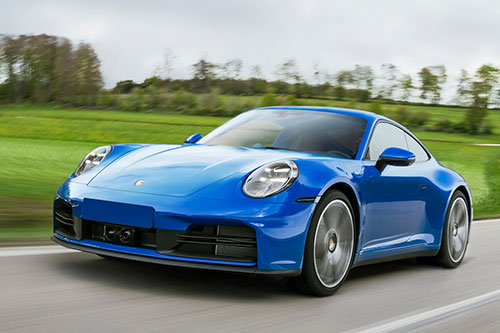
The Porsche 911 992.1 (2019 – 2024), is the fourth generation of water cooled 911 models. The 992 is technically advanced, refined, reliable, and a modern re-engineered evolution of the previous chassis. The 992 911 is highly sought after and is holding value well in the used car market. Many of the models are still found under the CPO label and attract a price premium as a result.
Yes, You Should Buy a 992 911
Finding the perfect used 992 911 isn’t easy – 992 production was affected during the Covid pandemic, so more scarcity was added to the already low sales volume. The 992 refines the 911 platform significantly and delivers technical advances that make the 911 even more of a practical daily drive option – with the right encouragement, it’s still fast, fun, and can be edgy too.
 How This 992 911 Guide Can Help You
This guide will help you avoid costly mistakes and pitfalls associated with buying a used 992. We skip the fluff and focus on what truly matters – mechanical concerns, known issues, realistic ownership costs, ongoing maintenance, and expert tips to help you find a great car. Armed with the right knowledge you can find an excellent used 992 911.
Be Aware of What You’re Getting Into
 Understanding Your 992 911 Buying Goals
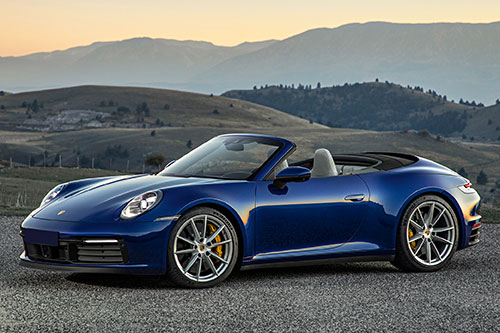
Having a good sense of why you want to own a Porsche 911 992 makes ownership free and easy. We think the 992 works best for:
- Fun weekend car
- Everyday car in warmer climates
- Summer daily commuter in colder climates
- Occasional track car for HPDE
The best purchase choice is a 992 that is covered by CPO warranty. You’ll find many of the best examples of the 992 for sale at dealerships with a CPO warranty – price premium, but great peace of mind.
 Plan For Maintenance Before You Buy a 992
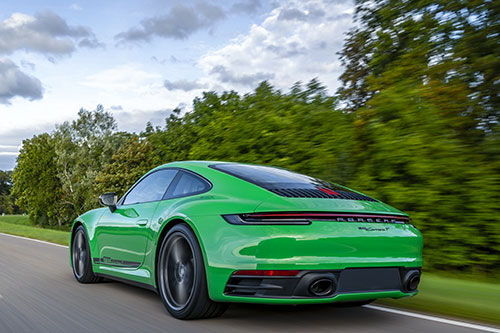
The most important consideration with the 992 911 is consistent, timely maintenance. The best used examples are typically low-mileage, and most owners aren’t putting 10K miles a year on a 992. That said, low mileage doesn’t reduce maintenance costs – the 2 and 4 year service intervals remain expensive regardless of miles driven.
Partner Shops Can Save You 20% on Maintenance
 992 911 Buyers Quick Check List
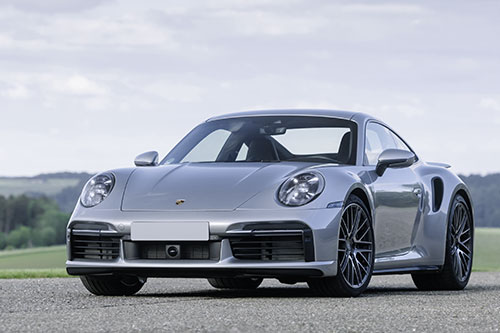
Before you buy any car and despite the youthfulness of the 992, there are a series of questions that you need answers to. See the section “What to look for when buying” below for more detail.
- Why is the car for sale?
- Who is selling the car?
- Actual production date – sticker on driver’s door
- Mileage, maintenance, and repair history
- Number of owners
- Title status: Clean / salvage / rebuilt / other
- Accident history (check Carfax or AutoCheck)
- Service records available
- Geographic ownership history (climate matters: dry vs humid areas)
The sections below open to provide more detail. Select a topic that you want more detailed information on.
Porsche 911 992.1 Brief History – What We Know So far
What We Know About the 911 992.1 So Far
 The 911 992 was launched in 2019 for the 2020 model year and production of the 992.1 version ended in 2024 with more than 115K units produced. The 992 was the eighth generation of the 50-year development of the 911 platform and featured considerable refinements on the previous chassis.
992 911 Standout Changes From Predecessor
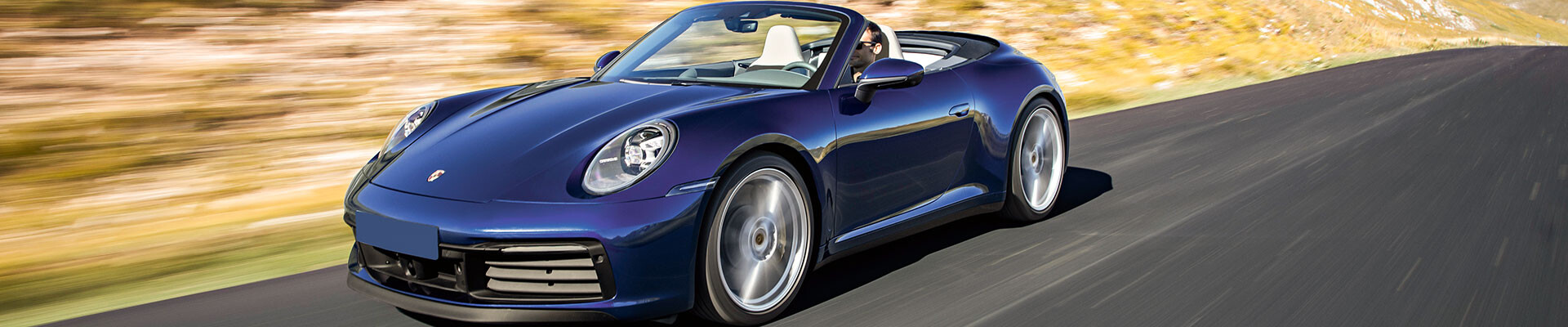
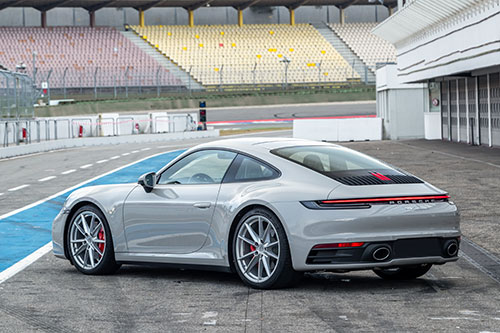
From the outside, the 992 introduced pronounced wide rear fenders across the entire model range – a styling cue previously reserved for higher-performance 911 variants. Every model also adopted a staggered wheel setup with smaller wheels up front and larger diameter wheels at the rear.
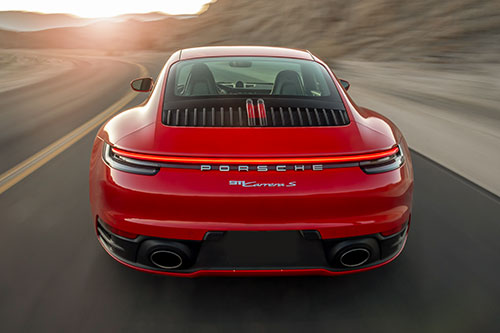
At the back, the third brake light is integrated into the center of the rear engine vent and compared to the outgoing 991 generation, the 992 is 45 mm wider. The bodywork makes more extensive use of aluminum panels with a redesigned rear bumper featuring large exhaust outlets.
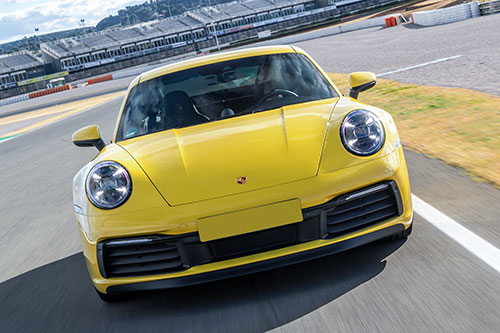 The front end of the 992 blends modern aerodynamics with visual references to the early 911 style – the front bumper has come in for criticism and is not overly pretty. All 992 models come equipped with pop-out electronic door handles, LED headlights, and a full-width rear light bar giving the rear end a distinctive look. Select variants of the 992 also feature an active rear spoiler.
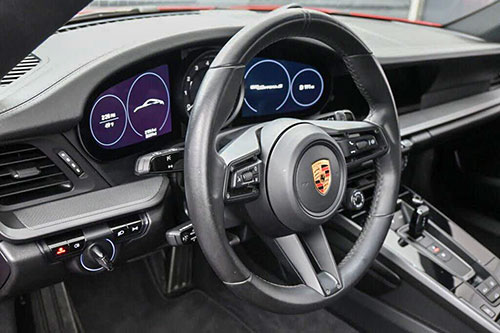
Inside, the cabin has been significantly modernized, with a much straighter dashboard inspired by the classic 911 layout. The instrument cluster combines two 7-inch digital displays with a central analog tachometer, which maintains a clear link to Porsche dashboard tradition. The layout is practical, minimal, and maintains the overall 911 style. However, there is no question that the interior feels very modern, high tech, and a long way from the original analogue dial laden interior of the past.
 More Refined Powertrain
Powertrains for the 992 received meaningful updates to fuel injection systems combined with a revised intake system. In addition, the 3.0L flat 6 engine in the 992 has a revised and larger central intercooler that boosts efficiency, updated turbochargers, and revised exhaust manifolds. Where required by Euro 6 regulations, a gasoline particulate filters was also fitted. These changes refined the engine performance and delivered power gains with more responsive torque curves. The 992 launched exclusively with an 8-speed PDK dual-clutch transmission with manual options being added later. A 7-speed manual transmission is found on GTS models, while the GT3 variants of the 992 have a 6-speed manual transmission.
911 Carrera 992 – Multiple Choice Models
Porsche continued the trend set with the 991, offering various flavors of the 911 992. There’s a bewildering number of model variants of essentially the same car with trim distinctions between them. The trim defines the pricing detail and the engine performance.
The standard turbo engine has different tuning depending on the model variant you pick:
- 3.0L TT – Carrera – 385HP
- 3.0L TT – S Models – 443HP
- 3.0L TT – GTS Models – 473HP
Turbo models use a larger 3.7L twin-turbo engine, which is a fundamentally different powerplant with much higher outputs – up to 640HP. The GT3 models use tuned versions of the normally aspirated flat 6 4.0L engine with power orientated to track use.
992.1 Carrera & Carrera 4 Variants
- 911 Carrera Coupe
- 911 Carrera Cabriolet
- 911 Carrera S Coupe
- 911 Carrera S Cabriolet
- 911 Carrera 4 Coupe
- 911 Carrera 4 Cabriolet
- 911 Carrera 4S Coupe
- 911 Carrera 4S Cabriolet
992.1 GTS Models
- 911 Carrera GTS Coupe
- 911 Carrera GTS Cabriolet
- 911 Carrera 4 GTS Coupe
- 911 Carrera 4 GTS Cabriolet
- 911 Targa 4 GTS
992.1 Targa Body Styles
- 911 Targa 4
- 911 Targa 4S
- 911 Targa 4S Heritage Design Edition
992.1 Turbo & High-Performance Models
- 911 Turbo Coupe
- 911 Turbo Cabriolet
- 911 Turbo S Coupe
- 911 Turbo S Cabriolet
- 911 Turbo S Embraer
- 911 GT3
- 911 GT3 Touring
- 911 GT3 RS
992.1 Track & Special Editions
- 911 GT3 Cup
- 911 Sport Classic
- 911 Dakar
- 911 Turbo 50
911 992.1 Improvements Versus 991
The 992.1 911 is slightly larger, more refined, very modern styling, well equipped, and offers better daily usability over the previous version. We think it’s true to say that none of the raw 911 Porsche feel exists in the 992 version – it’s an easy, well behaved drive.
Powertrain & Performance
- Improved 3.0L twin-turbo flat-six tuning with higher outputs across Carrera, S, and GTS models.
- Single central intercooler replaces dual side-mounted units for better cooling efficiency and throttle response.
- 8-speed PDK improving acceleration, refinement, and highway efficiency.
- Broader torque delivery and improved real-world drivability.
- GT3 retains a 4.0L naturally aspirated engine with higher rev capability.
Chassis & Driving Dynamics Feel
- Wider track front and rear on all models providing increased stability.
- Wider rear bodywork standard across the entire range.
- Revised suspension geometry and improved PASM tuning.
- More advanced electronic chassis control and traction management.
Design & Aerodynamics
- Full-width rear LED light bar across the lineup.
- Improved aerodynamics with active aero elements on more trims.
- Better integration of rear spoiler.
- Modernized front-end styling.
Interior & Technology
- Fully redesigned cabin with a cleaner, more horizontal dashboard.
- Mixed digital/analog instrument cluster retaining the classic central tach.
- Larger infotainment screen with improved PCM software.
- Updated driver assistance systems and connectivity.
Materials & Build
- Increased use of aluminum body panels, reducing weight while increasing rigidity.
- Quieter cabin – Less engine, road, and wind noise makes the interior more comfortable.
- Reduced vibration – The car feels smoother; your hands, feet, and seat don’t feel every little imperfection.
- Less harsh ride – Bumps, potholes, and rough pavement are absorbed better without dulling performance.
Ownership & Usability
- Better daily usability thanks to smoother low-speed drivability.
- More refined ride quality without sacrificing performance focus.
- Increased standard equipment compared to equivalent 991 trims.
992 Versus 991 - What Do You Get for the Extra Spend?
- More power across the board, faster 0‑60, better torque spread, 8‑speed PDK is sharper and more usable.
- Wider track, wider rear fenders standard, improved suspension and traction technology — 992 feels more planted.
- Modern dashboard, bigger infotainment, digital/analog cluster, more comfort and connectivity.
- Slightly better daily usability, more refined and comfortable.
Porsche 911 992.1 Reputation
It’s still relatively early in the life of the 992 to make judgments about the long term reputation of this car. However, so far the 992 911 has built a strong reputation as a modern, high-performance daily driver that’s sharper and more capable than the 991. It keeps the 911 spirit but adds more power, wider rear arches, and a chassis that feels planted in every corner. Interior and tech are far more modern – bigger screens, cleaner dashboard, and better connectivity. Some analog touches make the 992 feel like a 911, however, have no doubts that the 992 is a very modern interpretation of the 911 and has none of the raw stuff from the past.
The 992 is fast, responsive, and more comfortable on long drives than the 991 thanks to refined suspension and better cabin feel/noise isolation. Every model now has wider rear fenders, active aero on select trims, and the revised 8-speed PDK, which outperforms any 991 transmission in almost every situation. Manual versions do exist, but are limited to GTS and GT3 trims.
It’s easy to fall in love with the 992, but buyers need to be aware of the differences between trims. Carrera, S, GTS, Turbo, and GT3 all drive very differently, and the costs can rise quickly with higher trims or options. Reliability has been solid so far – mechanically sound engines and PDK transmission — although it’s really too early to make long term judgements. Maintenance remains expensive, regardless of mileage.
The 992 is an evolution of the 911, not a departure from it. However, if you’ve enjoyed wrestling with a 996 or 997 during a spirited drive, the 992 is nothing like that. You can easily use the 992 to quickly pop to the grocery store and pickup a bottle of champagne for dinner – easy, practical, and well behaved. If you’ve grown up with cars that challenge your driving skills, this one wont!
What People Like About the 992
- More power – quicker, stronger acceleration than the 991 in real-world driving.
- Wider stance on every model – looks better, feels more planted, inspires confidence.
- Excellent 8-speed PDK – faster, smoother, and better in daily driving than any prior PDK.
- Modern interior – clean layout, better screens, still keeps the analog style.
- Comfort – quieter, smoother on long drives but still sharp when pushed.
- Everyday usability – easy to live with as a daily driver despite the performance.
- Strong reliability so far – engines and PDKs have proven mechanically sound thus far.
- GT3 is a standout model – high-rev NA engine, proper manual option, and real track credibility.
- Looks age well – modernized styling that still says 911.
What's Not to Like About the 992
Frankly, if you’ve never owned a 911 before you’ll find next to nothing to dislike about the 992 911. If your more of a analogue purist, the 992 has turned more toward everyday easy to drive as opposed to raw 911.
- It’s expensive – purchase price, options, maintenance, and repairs add up fast.
- Feels less analog than older 911s – more digital, more isolation, less raw feedback.
- Manual availability is limited – mostly GTS and GT3 only.
- Big and wide – feels larger on tight roads and in city driving.
- Front bumper – lacks style and character.
- PDK provides great performance but further removes driver involvement.
- Complex technology and connectivity — more electronics means higher risk and repair costs.
- Interior is very modern and screen-driven – great technology but less charm
When Not to Buy a 992
If you want raw, simple, and analog Porsche, look for earlier chassis. If you want modern performance, refinement, and daily usability, the 992.1 makes sense – just know what you’re buying into.
We think you should avoid the 992 if you’re:
- Analog purist who wants maximum mechanical feel and minimal tech.
- Budget-conscious buyer – ownership costs don’t drop with low miles.
- Drivers who want lower trim levels with manual transmission.
- People who want small and lightweight – the 992 is wider, heavier, and more substantial.
- Owners who dislike high-tech – more systems, sensors, connectivity, and software than earlier 911s.
- Those chasing value over capability – late 991 models deliver more 911 raw feel per dollar.
- Drivers who want drama at low speeds – the 992 is so capable it feels calm until pushed really hard.
The 992 Fits This Kind of Buyer
The 992.1 is for drivers who want a modern 911 that’s brutally capable, yet easy to live with, and still unmistakably a 911. They don’t care if it sacrifices a bit of old-school feel to get there.
We think you should buy the 992 if you’re:
- Drivers who want one car that does everything – daily driving, road trips, hard weekend runs, and a little HPDE.
- Buyers who value performance over nostalgia – speed, grip, and composure matter more than traditional analog feel.
- Long-distance drivers who want comfort without giving up a true sports car.
- People who actually drive their 911 – not just admire it in the garage.
- Track-day drivers who want massive capability without constant tinkering.
- Buyers who want modern tech done properly – useful, not gimmicky.
Acronyms and Model Options
Porsche Build Options and Acronyms
Porsche offers a wide range of build options that allow buyers to customize nearly every aspect of their vehicle, from performance upgrades and wheel designs to interior trims and driver-assistance systems. Options and performance technology typically attract an acronym! So, it’s easy to get lost between your PSM, PASM or PADM when shopping for a used Porsche. In our acronym and options section we list and explain the most common acronyms you’re likely to see when shopping for a used 992.
Pricing, Market Trends - Buying Resources
Porsche 992 911 Holds Value
The 992.1 value story is a mixed bag – depreciation is real, but not dramatic relative to other luxury cars, and strong pricing trends on high-spec models should give you confidence. Tariffs have adjusted the market up for new cars and in general, raised the value of used versions – this should be seen as a one off bump and not a price rising trend. If your goal is “value retention,” choose trims and specs wisely and plan for normal depreciation – don’t expect dramatic appreciation except in very limited cases.
- Manual transmission cars carry a premium, but availability is limited to GTS and GT3.
- Cars with PDK show value strongest on performance trims like GTS, Turbo, Turbo S.
- GT3 and Turbo models show the best value retention and are the safest long-term holds in the 992.1 range.
- Base Carrera and Carrera S models are depreciating normally, especially higher-mile or lightly optioned cars.
- GTS models sit in the value sweet spot – strong demand, great performance, manual trans options.
- Cabriolets lag coupes in value, particularly outside the Turbo and GTS trims.
- Highly optioned cars don’t return their MSRP premium on resale.
- The 992.1 benefits from new-car price inflation – used prices remain supported, but upside is limited.
How Hard is it to Find the 992.1 You Want?
Often over-looked is the relative volume of Porsche sales and the actual availability of individual models. 991.2 production and sales were interrupted by the pandemic, so there may not be as many models from those years available. Porsche sold approximately 52K 992.1 911 models in the USA over the production lifecycle. Just over 5000 of those units were GT3 versions and approximately 7000 were Turbo models. Once you start to delve into the market, colors, and model specific trims, you find some models are quite rare.
For some perspective, Ford sold approximately 3.8 million F150s during the same 992.1 911 production period!
Be Patient — Don’t Settle
The right 992.1 won’t be sitting on every used car lot. Wait for the trim, options, color, and condition you actually want – rushing guarantees compromise and overpaying. Waiting and watching carefully lets you secure a 992.1 that matches your priorities.
Pricing & Market Trends as of 2026
In 2025–2026 Porsche pushed MSRP for new cars significantly higher across the 911 range, with the base 911 Carrera up roughly $8K year-over-year. These adjustments come amid a backdrop of new U.S. tariffs that raised import duties on European-built cars. The upward pressure on new 911 pricing has helped elevate used values for 992.1 models.
- 992.1 Carrera Base – Mid $90K to Low $100K – stable prices
- 992.1 Carrera S – Low $100K to Mid $110K – upward trend
- 992.1 Carrera GTS – $115K to $140K – model specific – upward trend
- 992.1 Turbo / Turbo S – High $150K to Mid $180K – upward trend
- 992.1 GT3 – $260K to $300K+ – rising prices
- 992.1 GT3 Touring – $280K – $320K+ – rising prices
Where to Source Your 992 911
The best examples of the 992 are going to be in the Porsche dealer channel or at a Porsche sales specialist that we list on our resource page. Cars with remaining factory warranty or covered under Porsche’s CPO program will attract a premium price. However, factory based warranty is the best way to help manage ongoing repair costs on these cars.
Nobody is going to sell a Porsche cheap, unless 1) they incorrectly perceive problems with the car or 2) there are real problems with the car or 3) they have no clue! Your job is always to be better informed than the seller. Even though the 992 is relatively young, make sure you do your due diligence.
Porsche CPO cars go through an exhaustive series of tests to meet the qualifications for CPO. The details of the inspection and tests should be on record with the dealership selling the car.
Porsche 911 992.1 In Detail
Comparing the 992.1 911 Trims or Versions
992 Carrera / Carrera 4
- 3.0L flat 6 engine
- 385HP
- 8 speed PDK
- Hard top or cabriolet
- 2wd or 4wd
992 Carrera S / Carrera 4S
- 3.0L flat 6 engine
- 444 HP
- 8 speed PDK – rare manual trans
- Hard top, cabriolet, or Targa
- 2wd or 4wd
992 Carrera GTS / Carrera 4 GTS
- 3.0L flat 6 engine
- 473 HP
- 8 speed PDK or 7 speed manual trans
- Hard top, cabriolet, or Targa
- 2wd or 4wd
992 Carrera T
- Limited production
- 3.0L flat 6 engine
- 380 HP
- Rear wheel drive
- 7 speed manual or 8 speed PDK
992 Turbo / Turbo Cabriolet
- 3.8L flat 6 engine twin turbo
- 572 HP
- All wheel drive
- 8 speed PDK
- Hard top or cabriolet
992 Turbo S / Turbo S Cabriolet
- 3.8L flat 6 engine twin turbo
- 641 HP
- All wheel drive
- 8 speed PDK
- Hard top or cabriolet
992 GT3
- 4.0L flat 6 engine
- 503 HP
- Rear wheel drive
- 7 speed PDK or 6 speed manual trans
992 GT3 Touring
- 4.0L flat 6 engine
- 503 HP
- Rear wheel drive
- 7 speed PDK or 6 speed manual trans
- No fixed rear wing
992 GT3 RS / S/T
- 4.0L flat 6 engine
- 518 HP
- Rear wheel drive
- 7 speed PDK
- Tuned for the track
911 991.2 Versus 911 992.1 Key Differences
The 992.1 represents redesign, evolution, and refinement of the previous 991.2 version. The highlights in the difference between the two generations are seen by the 992 offering:
- More refined, efficient, and responsive engine.
- Increased power output.
- New 8 speed PDK transmission.
- Larger chassis footprint.
- Better handling and high speed stability.
- More touring car feel.
- Improved infotainment and connectivity – larger screens, modern dash.
- Improved interior space and quality.
- Updated styling including full LED lighting, integrated rear light bar, hidden door handles, and more aggressive aero lines.
- Improved driver assist systems.
- Better daily driver usability.
911 992 Carrera Models - Key Differences
With previous versions of the 911 there were very distinct differences between the various model designations. With the 992, most of that has been eliminated. Differences between the models are down to tuning and individual option specifications on each model ordered. Essentially, they can all come with the same “stuff,” it’s just a matter of how the engine, chassis, and suspension are tuned. Versus the base 911 992 Carrera:
Carrera S model
- Approx. 60HP gain
- Approx. 60 lb-ft torque gain
- 8 mph higher top speed
- 0-60 mph 0.5 seconds quicker
- Manual transmission option
Carrera GTS model
- Approx. 88HP gain
- Approx. 90 lb-ft torque gain
- 11 MPH higher top speed
- 0-60 mph 0.7 seconds quicker
- Manual transmission option
- Larger brakes
- Sport PASM and Sport Chrono standard
- Revised exterior styling
- Sportier seats and trim
All Wheel Drive Versus Rear Wheel Drive
As you would expect, there is a significant difference between the behavior of an all-wheel-drive (AWD) 992 versus a rear-wheel-drive (RWD) 992. However, with the use of technology in the driveline such as Porsche Torque Vectoring Plus (PTV Plus) and Porsche Traction Management (PTM), the overall feel of the two versions under normal conditions is very similar.
In the all-wheel-drive 992 models, the driveline technology is designed to create the rear biased drive feel of the rear wheel drive car, yet quickly provide additional traction to the front wheels when conditions dictate the necessity – Wet Mode. For example, you need maximum grip under launch conditions and because the all-wheel-drive system kicks in, the AWD models have slightly quicker 0-60 times.
The AWD versions of the 992 are a little less sharp for corner turn-in versus the RWD version, however the AWD version gains a significant advantage in more difficult driving situations such as wet roads, gravel, and uneven pavements.
911 992 Turbo Models - Key Differences Versus 991.2 Turbo
The 992 Turbo models feature the 9A2 engine architecture and make more power and torque than the 991.2 Turbo models from slightly smaller displacements. This gives the 992 Turbo quicker acceleration and stronger midrange punch. The base 992 Turbo engine makes more torque than the 991.2 Turbo S. Main feature differences:
- Faster 0-60 times from +30 to +60hp more.
- Improved launch and traction via upgraded AWD logic.
- Active aerodynamics for better high-speed balance.
- 8-speed PDK transmission.
- Larger rear wing.
- Adaptive cooling air flaps for better thermal management.
- Revised PCM infotainment with more advanced driver aids and larger screens.
- More adaptive driving systems integrated with chassis control.
- Updated lighting and bumper profiles.
992 Turbo - Engine Architecture Change
Traditionally, the 911 Turbo models have always had a different engine architecture to the Carrera models – Metzger engines for example. With the 992, Porsche evolved the 9A2 engine architecture used in the Carrera models for the revised 992 Turbo. Designated the 9A2 Evo, the engine features slightly smaller capacity than the 991 Turbo yet delivers more power and torque. The new 992 Turbo engine features:
- Revised crankcase and cooling layout
- Improved thermal efficiency
- Larger VTG turbochargers
- Reworked intercooling path
- Improved airflow routing
- New Piezo injectors for faster and more precise fuel delivery
- Better emissions and throttle response
- Higher redline and broader torque delivery
- Pulls harder at high RPM
- Flatter torque curve – feels smooth and effortless versus explosive
992 Turbo Versus Turbo S Models - Differences
The 992.1 Turbo S has roughly 68 hp and 40 lb-ft more torque than the standard turbo model. The Turbo S model is tuned to produce more power and significantly quicker acceleration coupled with a higher top speed and more precise handling. Both Turbo models will get you north of 60 mph in less than 3 seconds, with the Turbo S getting very close to just 2 seconds for the speed mark. The Turbo S standard features include:
- PASM Sport Suspension.
- Porsche Dynamic Chassis Control (PDCC).
- Porsche Ceramic Composite Brakes.
- Lower ride height with tuned suspension.
- Enhanced LED headlights/lighting options.
- Premium seat and interior trim options.
- Turbo S-specific exterior styling cues.
In a nutshell, the 992.1 Turbo S has more power, sharper performance, better hardware as standard, and is right for track use or enthusiasts who want the maximum package with an ongoing potential for higher resale value.
992.1 GT3 Models - Touring
The GT3 has always been a race car that is street legal. The engine, driveline, suspension, and aerodynamics are optimized for on-track performance and rapid lap times. The 992 GT3 is no different with a high revving normally aspirated 4.0L flat 6 engine, tight suspension, crisp handling, and aggressive aero features.
Porsche introduced the GT3 Touring version during the 992.1 production run. The GT3 Touring is a little more understated as a road going race car. The large fixed rear wing is replaced with an active spoiler and the aero package is less aggressive. While mechanically the same as the GT3, the Touring version has minor tuning applied to the suspension to make it slightly more compliant with standard street driving.
The best way to think about the GT3 versus the GT3 Touring is like comparing an Indian curry on a boys night out. It’s all chicken curry with the same ingredients, you just have to decide if you want the really hot version or something more tame!
992.1 GT3 Engines
Following the tradition, the 992.1 GT3 features a normally aspirated 4.0L flat 6 engine designed to perform on track. The GT3 engine is a completely different architecture from the turbocharged engines in Carrera models and is focused on rapid air flow, crisp throttle response, and maximum power output per liter of displacement. The engine features:
- Dry sump architecture
- Individual throttle bodies per cylinder
- Ultra lightweight internal components
- Capable of high revs – 9000 rpm
- Approx. 503 hp
- Approx. 350 lb-ft
- Track focused tuning
992.1 Transmission Options
Transmission options on the 992.1 911 are quite limited. In general, most models you’ll find will feature the revised 8 speed PDK transmission. A 7 speed manual transmission was available as an option on some models such as the Carrera S or 4S and the GTS. The Carrera T featured a standard 7 speed manual with an optional PDK transmission. However, a manual 992.1 911 is very rare and you wont find a manual Turbo 911 in the 992.1 range.
The GT3 992.1 model has a 6 speed manual transmission option – again these are rare.
992.1 911 Common Issues and Reliability Concerns
 992.1 911 Known Issues
So far, the 992.1 911 has proven very robust and mechanically sound. Issues on a well maintained 992.1 are minor and most of the known problems have been resolved under warranty or recall. A thorough evaluation during a PPI should reveal everything you need to know. With proper planning, any minor issues can be addressed proactively or managed throughout your ownership.
Recommended Porsche Repair Shops You Can Trust
 CPO Warranty, Recalls and Service Bulletins
Most used 992.1 911 cars are likely to be found with a CPO warranty. The CPO extends the factory warranty coverage on the car and is significantly valuable. This does lead to CPO cars commanding a higher asking price, however, the extension of the factory warranty under CPO is worth the spend. Most known issues with the 992.1 so far have been dealt with under warranty, through recalls, or through technical service bulletins for Porsche workshops.
Non CPO Warranty Cars
If your considering a non-CPO 992.1, you should investigate the history of the car to see if any of the issues described below in the recall or TSB area have already been addressed. You can lookup recall information directly at Porsche with your vin number.
992.1 Recalls and TSBs
Safety Recalls
These are the majority of the recalls issued for the 992.1 range during production. Many of the recalls only apply to a small number of vehicles and in some cases, were country specific. Use the Porsche recall system to identify any outstanding recalls on the vehicle you plan to buy.
- Rearview Camera Display – affects all models with software update required.
- Seat Belt Mounting Bolt – Bolt replaced under recall
- Windshield – Some early models had incorrectly fitted windshields that can fail during airbag deployment.
- Brake Booster Input Rod – Connecting rod to brake booster can become loose.
- Rear Upper Control Arm Bolt – Bolt was not tightened during production.
- Front Differential Bracket – Bolts holding the bracket may become loose.
- Axle Bolts Can Loosen – Replacement of axles and bolts.
- Center Lock Wheel Nut – A small number of center lock wheel nuts were prone to failure.
- Brake Light Logic GT3 Touring Models – improper simultaneous activation of center brake lamps.
Technical Service Bulletins / Software Updates
Porsche issues technical service bulletins (TSB) to it’s dealer franchise channel. A TSB explains a known issue with customer experience, the root cause, the approved repair procedure, and updated parts, software, or diagnostic steps to identify the matching issue. TSBs are issued on a regular basis and updated frequently. The most relevant TSBs for a used 992.1 911 are as follows:
- Engine Mounts – early model parts typically replaced under warranty.
- Fuel injectors and wiring harness.
- Infotainment Software Updates – multiple updates for functionality fixes including flicker, blank screens, and color issues.
- PDK software updates – drivability updates for hesitation and poor shifting.
- Turbo Oil Misting – replacement of inlet air tube.
- Engine fan failure message.
- ADAS – troubleshooting guide for ADAS issues.
- Engine Oil Pan Leak – Very early models can experience a leaking oil pan.
- Re-programming rear spoiler control unit.
- Replacing spoiler drive.
- Re-programming 12 V battery sensor
911 992.1 Engine Issues
Ignition Coil Failure
The ignition coils on the MA2 engines have been updated by Porsche multiple times. The original coils were prone to cracking and were replaced by a more substantial version. Low mileage older cars will commonly still have the older style coils and its best practice to replace them all with the newer versions, even if only a single coil has failed.
On low mileage 992 cars that have not been driven hard, coil problems may not show up until they are put under more unusual loading e.g. hard acceleration. That’s not easy to determine through a one-off road test or a PPI – although a runnability test on each cylinder can be done, it may not show this issue.
The good news is that coil replacement is straightforward and very common.
Fuel Injector and Injector Harness Issues
The 992 uses Piezo or solenoid style fuel injectors. These operate at very high fuel pressure (2,000+ psi) and require an extremely precise spray pattern to deliver the optimum performance. Early 992 cars experienced a series of symptoms related to quality of the injectors and routing of the wiring harness. Symptoms included:
- Rough idle
- Cold start misfires
- CEL with lean running DTC codes
- Misfire codes on specific cylinders
Complicating the issue, and potentially leading to misdiagnose, was the potential failure in the wiring connector designed to activate the fuel injector. In the TSB mentioned above, Porsche recommends replacing the injector wiring harness and the fuel injectors to resolve this issue.
Early 992 models with low mileage may have not yet encountered this problem. If you are buying a non-CPO car, you should investigate if this work was completed or if the car could be a potential candidate to have the problem going forward. Replacement of the injector wiring harness usually requires an expensive engine out task.
HPFP – High Pressure Fuel Pump Failure
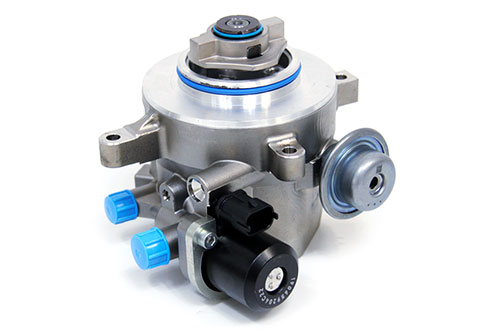 The MA2 engine in the 911 992 features a high-pressure fuel pump driven from a camshaft. The high-pressure fuel pump is subject to failure and typically, it initially sets a check engine light and faults associated with the fuel rail pressure.
Typical symptoms of a failing high pressure fuel pump include:
- Delayed start of the engine or long crank time
- Hesitation or sputtering in acceleration
- Lack of power
- Higher engine temperatures
- Engine stalling and being difficult to restart
Misdiagnosed High Pressure Fuel Pump
Lack of fuel in the engine fuel rail sets faults for low fuel pressure. The obvious candidate is the high pressure fuel pump, however, the high pressure fuel pump cannot do its job if no fuel is being delivered to it. The low pressure fuel pump in the tank can also fail and cause misleading symptoms and misdiagnosis of the high pressure pump.
Engine Oil Leaks
The 992 911 engine has been subject to a couple of minor oil leaks during it’s initial production phase.
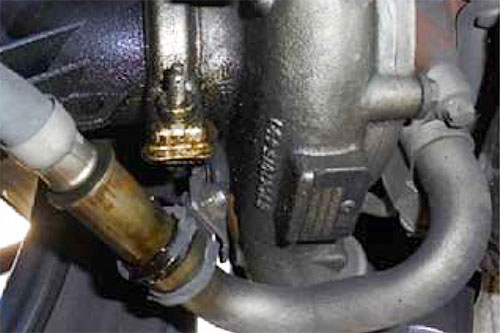 One particular oil leak is described as a turbo oil misting problem. What looks like an oil leak from the right hand side turbo, is in fact an issue with the air supply or intake pipe. The TSB mentioned above recommends the replacement of the air pipe connected to the turbo assembly to solve the problem.
Oil Pan Leak
992.1 911s manufactured before 2022 are subject to the potential for an oil leak from the upper oil pan. Typically, this is a minor leak that is evident in a number of potential places close to the oil pan joint. It is thought that more spirited driving is likely to cause this leak to show up, so on low mileage models made before 2022, it’s possible this leak will not have yet shown itself.
The issue was caused by a manufacturing problem in the upper oil pan. Minor sharp surfaces on the pan cause the seal to be damaged and under more extreme loads, the seal can fail. The recommended solution is to remove the lower and upper oil pan, smooth off any sharp edges, and reinstall a new seals.
If you’re considering a non-CPO 992.1, we recommend you check to see if this work was completed in the history of the car and if not, make sure this is closely investigated during a PPI. Likely, it might be described as a minor oil weep – it will get worse!
Engine Cooling Fan Failure
The fans in the engine compartment have a caused a number of issues in previous generations of the 911 and have been updated multiple times. The 992.1 can also have engine fan failure and the resultant message on the dashboard – “Engine fan failure – avoid full engine load – driving permitted.” However, there is a also a TSB concerning the engine fans and related fault codes. The ECU may store entries like P1BF600/P1BF700. These are implausible signals for left or right fan and can be corrected with a DME software re-flash without replacing the fans. Check to see if this work has been completed on the 992.1 you plan to buy.
992 PDK Transmissions – Concerns and Reliability
8 Speed PDK Transmission
In general, the revised Porsche 8 speed PDK transmission in the 992 is extremely reliable. However, several common usability issues have arisen with the PDK over time. It’s too early in the lifecycle to conclude longer term major issues with the revised version of the transmission. Most of the issues seen in previous versions of the PDK are less prevalent, however, timely maintenance still remains a critical issue.
PDK Maintenance is Critical
The Porsche factory recommendations for maintenance of the PDK transmission have evolved over time, with maintenance now being performed more frequently than originally recommended at the introduction of the transmission design. We recommend you speed up the maintenance on your 992 PDK transmission and focus on time rather than mileage.
Known PDK 8-Speed Transmission Issues
We are early in the life of the 8-speed PDK version and most of the issues reported so far have been addressed by software updates to the transmission controller systems. Those issues include:
- P not available dashboard message.
- Manual shift first to second gear hesitation.
- Slow shifts or hesitation in shifts below 2000 rpm.
- Hesitation or lag in engagement from standing start.
See PDK known problems and expert PDK Repairs.
7 Speed Manual Transmission
The Porsche 7-speed manual transmission was introduced at the launch of the 991 generation. The design of the transmission is essentially the rear section of the 7 speed PDK. The manual transmission suffered from a number of issues and was revised a number of times before the launch of the 992.1. In general, the 7 speed manual transmission received less than great reviews when compared to the PDK and that is reflected in used model value. However, this is a short term issue. A manual transmission 992.1 is a rare commodity with very few models available with the option. Down-the-road, rare versions of 911s tend to command a higher price – so it’s possible a manual 992.1 could be a good long term investment.
Unless you really can’t live in a sports car without a third pedal and a manual shifter, the PDK is the better option for most driving circumstances. Like us, if you know how to get the best from a car with a manual transmission, you’re a proud member of a generation that technology has left behind.
992 Cooling System Concerns
Front Radiators and Air-Conditioning Condenser Issues
The 992 front-mounted radiators and A/C condensers sit low and exposed, making them prone to stone damage and debris buildup – especially leaves trapped around the sides. The 992.1 front air intakes are even more exposed as a result of the design changes for the 992.
The ducting to the radiators and condensers should be cleaned regularly or protected with mesh screens. Thorough cleaning requires removing the front bumper – something most owners skip and therefore, even on a low mileage 992.1 it’s worth thoroughly investigating how clean these areas are. When inspecting a 992 for purchase, shine a flashlight into the front air intakes in the lower bumper area. If you see leaves or debris buildup, it’s a sign of neglect. Corroded or damaged radiators/condensers can’t be repaired—only replaced.
Thermostat and Engine Cooling Problems
The 992.1 features and updated cooling system design and more intelligent control of coolant flow based around driving conditions and selected driving modes. This is achieved through engine management control of a regulator valve assembly rather than a traditional temperature based thermostat.
There have been a number of software revisions for the control of the system and revised versions of the control valve during 992.1 production. Reported symptoms include inconsistent or erratic temperature behavior and the engine temp not reaching the normal level even after longer drives. This too can affect the oil temperature indicated with resultant lower than normal readings.
Check the warm up cycle of the 992.1 you plan to buy and the history of work on the car to see if the coolant regulator or thermostat has been replaced. A further revised version of the regulator was made available as recently as December 2025.
Coolant Leaks
The 992.1 has a revised cooling system and a number of issues were reported early in production. The most common being a seal leak near either turbo and most common on the lefthand side. Updated coolant pies and connections typically solved this problem.
The PPI on the 992.1 you plan to buy should reveal any early signs of coolant leaks, however, in general the coolant system issues associated with earlier 911s have been resolved.
992.1 911 Braking System Check Points
Checking for Brake Wear - Premature Wear
The brakes on the 992 are generally excellent with the GTS model featuring larger brakes. Brake pad material does degrade over time – check on low mileage examples to see when the last brake service was performed. The brake fluid history should show a change every few years regardless of mileage. Also, measure the amount of brake pad material remaining – you want more than 3mm. At the 3mm mark the brake pad wear sensor will trigger the replace brake pads message. This should be reported back with your PPI.
992.1 Premature Brake Wear
Rear brake pad materials for the 992.1 were updated after reports of premature wear rates. Most of this was due to spirited driving or track use. The Torque Vectoring system included on some 992.1 models actively uses the braking system to control the rotation of the inner wheel during corner entry. This leads to more rear brake wear than anticipated.
Make sure the PPI reports the amount of rear brake wear and don’t be surprised if the rear pads have been worn to a matching level of the front brakes.
Brake Fluid Condition
Brake fluid has a limited lifetime. Low mileage cars often skip the brake fluid service, so it’s important to determine the health of the brake fluid on the 992 you plan to buy. Check the history for the last brake fluid flush in the service records. If the last brake fluid service was more than 2 years ago, we recommend you complete a brake fluid service sooner rather than later.
The brake fluid you see in the reservoir maybe be clean and look healthy. This is not a good test. What you can’t see is what matters – the fluid in the caliper at the end of the line the reservoir connects too. Despite the fluid in the reservoir being clean, the fluid in the caliper could easily be burnt and degraded.
PCCB Brake Option - Yellow Calipers
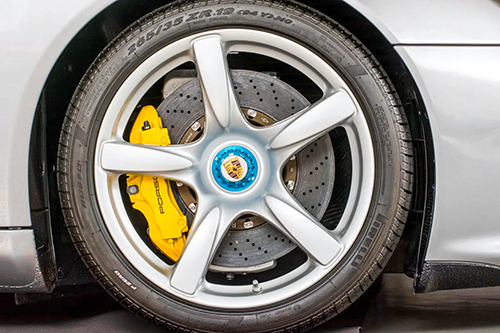 Some 992 models are fitted with the optional Ceramic Composite Brakes – usually determined by yellow calipers. During the PPI it’s important to be sure of the type of brakes fitted to the 911 you want to buy. If the car is fitted with the PCCB option and the brakes need to be replaced the cost will be between $10K and $20K. Determining the time and mileage left on the PCCB brakes helps forecast when the expensive replacement work is needed.
Upside of having PCCB brakes:
- Good weight savings
- Reduces rotational mass for better handling and ride
- Superior heat resistance
- Significantly longer lifespan – 100K miles possible
- Virtually no brake dust
The downsides of PCCB brakes:
- Very expensive replacement cost
- Slightly less initial bite when cold – not dangerous, just noticeable
- Susceptibility to chipping or damage if not handled correctly
992.1 Bodywork, Suspension, and Tires
Body Water Drain Concerns
Inspect the car for water leaks, especially behind the driver seat and the drivers footwell area. Blocked roof drains can cause water to enter the cabin and damage electronic modules. Clearing drains is easy and should be routine for ever service interval; neglecting them is costly. Check thoroughly for signs of water leaks around cabin, trunk space, and on the floor area. Make sure the drains are cleared or confirmed on a PPI.
Rear Spoiler Issues
The rear spoiler on the 992 in more integrated into the body design and is automatically deployed based on speed.
Check the functionality of the rear spoiler. Common issues include:
- Misaligned spoiler when retracted.
- Partial deployment or failure to deploy.
- Error messages related to spoiler or aerodynamics on dashboard.
- Problems linked to actuator or control software.
Resolutions to the issues include:
- Recalibration and alignment
- Actuator replacement
- Software updates
Spoiler failure issues can be expensive, so check the functionality thoroughly before purchasing your 992.1 and refer to the TSB information regarding spoiler functionality. The TSBs refer to:
- A software error that can cause the warning message “Aerodynamics disrupted” to appear intermittently even though the spoiler system is working correctly.
- The spoiler drive motor or actuator causes impaired or imprecise spoiler adjustment that can trigger warnings or mis-deployment.
Windshield Seal Problems
During the production of the 992.1 an issue was noted with the adhesives used to seal the windshield. If you notice black seal material that smears, becomes sticky, or appears distorted around the windshield perimeter in a 992.1 this problem applies to the car in question.
Porsche identified an incompatibility between the original windshield seal material and the adhesive used during production. These two substances can react chemically, causing the seal around the windshield to soften, distort, or appear to melt. The process is accelerated by exposure to sunlight and heat.
The resolution is to replace the windshield – this is an expensive job and one that you don’t want to have to undertake just after buying a used 992.1. Closely inspect the windshield and check the history on the vehicle to see if this work has been completed. Issues continued during production until late 2023.
Center Brake Light and Brake Light Switch Issues
The 992.1 chassis has experienced some issues with the functionality of the third brake light bar. On GT3 Touring models for example, a safety recall campaign was conducted because of a malfunction in the third brake light during spoiler activation. Other models in the range have also experienced unusual behavior with the third brake light or center strip, and electrical issues with the brake light switch.
Check the functionality of the third brake light or light bar thoroughly with different spoiler positions. Also check for work history related to the replacement or software update for the brake light switch.
Suspension Noises & Problems
The suspension setup on the 992.1 is complex and fine tuned. Porsche updated the alignment specs for the 992.1 to correct some wear issues that were spotted during early production. In general the suspension is solid, however, a number of minor issues to note when shopping for a used 992.1 include:
- Suspension rattle – cars built late 2020–early 2021 had suspension threaded connections that weren’t tightened to spec due to an incomplete thread on locknuts. this was generally limited in production and covered under a recall.
- Creaking noise over expansion joints or bumps, especially on cars with PASM and the front axle lift (FAL) option.
We recommend that you check to see if the 992.1 you are considering buying has been realigned with the revised suspension settings per the TSB.
Headlights and ADAS Problems
Most of the Advanced Driver Assistance Systems (ADAS) issues that were reported on the 992.1 have been resolved by software updates to the system. This was typically completed during initial service work while the car was at early maintenance cycles.
The thing to note here is the complexity of the headlight system and the way it is integrated into the ADAS system. The newer Matrix LED headlights on the 992 with PDLS+ and adaptive lighting are complex units designed to perform functionality beyond typical headlights. Really cool functionality and helpful, right up to the point where you need to replace one!
If you grew up in a world where a shop would provide the courtesy of replacing a headlight bulb for you and send you on your way with nothing more than a handshake and a smile – get ready for a shock – those days are long gone! For cars fitted with the PDLS+ matrix headlights and advanced ADAS functionality, you may well need spend more than $8000 if you have to replace the headlights – not to mention the labor associated with programming the lights and calibrating the ADAS system! Be very clear before you buy a 992.1, any headlight issue is going to be very expensive.
Electronics
Lithium Battery Issues
Many 992.1 models fitted with rear-axle steering or performance-oriented options come equipped with a lightweight 12 V lithium starter battery. Lithium batteries are expensive and behave very differently than traditional AGM batteries. For example, they don’t tolerate parasitic drains well, so even small electrical loads can cause them to flatten quickly. That means in low mileage and low usage situations, the lithium battery often does not perform well. Unfortunately, many 911s fall into the low use and low mileage category. Added to which, You cannot use a normal AGM trickle charger on Porsche’s lithium battery — you need a charger with a lithium-specific charge profile to safely keep it topped up.
With the 992.1, the on-board battery management system may disconnect the battery to protect it, leaving the car dead with no unlock or starting possible. Porsche issued a TSB to help resolve this situation by re-programming the battery sensor control unit to avoid situations where the data being collected from the battery was misrepresented.
When shopping for a 992.1 check if the car is equipped with a lithium battery and ensure the reflash of the battery control system has been completed. Replacement batteries usually start around $2000.
Instrument Cluster Display Issues - Blue Screen
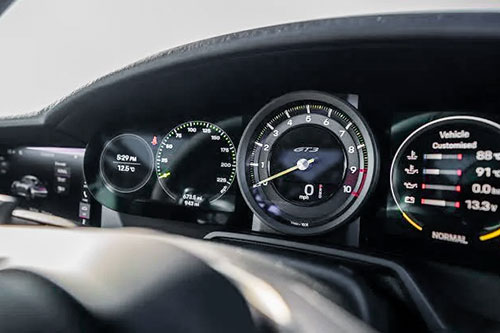 The 992.1 features digital dashboard panels that relace the more traditional analogue style gauges. When shopping for a 992.1 it’s important to look carefully at the dash screens and check their functionality. One of the most obvious signs of upcoming issues is a distinct “bluing” of one screen versus the other. Porsche has issued a number of TSBs and software updates that relate to dash screen problems. In some cases the screen has been replaced with a revised version. Check for this work on any 992.1 you consider buying and with no appropriate history, have the screens flashed to the latest software versions.
The kind of screen issues reported include:
-
Early 992 cluster software would fail all displays if overloaded with too many processes simultaneously.
- Navigation map is oversized or misaligned within the cluster screen, especially the vehicle position arrow.
-
Screen blanks or freezes completely. – no messages.
-
“Instrument Cluster Failure – Service Necessary” intermittent message.
- Screens showing different brightness or color on one side (typically blue) — occasionally clearing up spontaneously or after a reset.
992.1 911 Maintenance and Running Costs
992 Maintenance Service Schedule
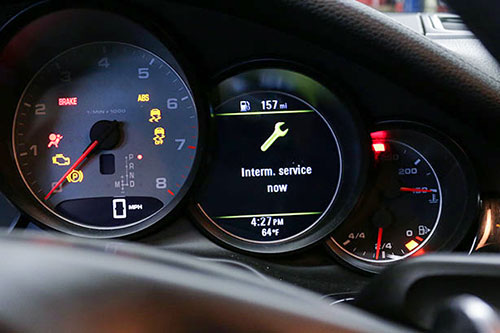 Maintenance Service Dash Messages
The Porsche 992 will display a variety of maintenance-related messages on the dash to remind you of service intervals. These appear in the multifunction display and can vary depending on model year and the PCM version. Check the PCM in the 992 you want to buy and scroll through the remaining time and mileage in the maintenance area. The guide should indicate the time to the next service and what type of service is due. There is a significant difference between the cost of an annual service and a major service interval every four years. Understanding what service is due next, what’s included in that service, and the cost of the maintenance interval, can help you plan for your ongoing ownership costs.
Choose a PcarWise Partner Shop for More Personal Maintenance Options
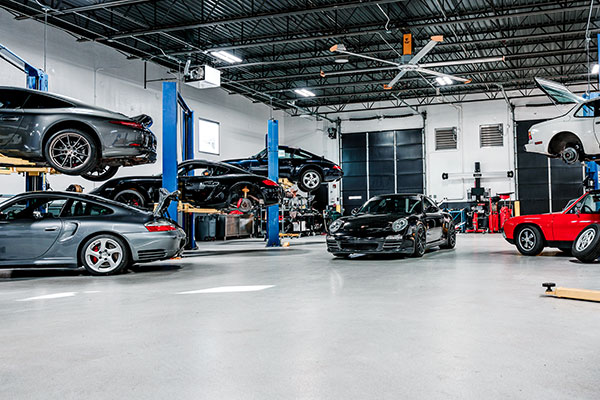 Many dealerships are limiting service to newer vehicles, often turning away Porsche models over 10 years old due to a lack of technicians trained in older cars and an increasing focus on EV cars.
992.1 911 Running Costs
Create a maintenance plan based on inspections and the advice from a repair shop. We recommend you budget $150 a month depending on model, for routine maintenance service, covering annual, intermediate, and major maintenance over four years. Plan extra for new tires and brakes based on mileage and condition. Tires for example, if choosing the OEM Michelin Pilot Sport 4S, will be at least $2000 plus install.
Additional costs include repairs, insurance, and taxes. Repair costs can vary dramatically depending upon the issue that needs to be resolved, and typically work on the 992 is difficult and attracts more labor time. Watch out for super expensive items – replacement headlights, digital displays, lithium batteries, or entertainment systems – costs here can way exceed any budget plans.
The Buying Process
What to Look for When Buying a 992.1 911
Pre-Purchase Inspection (PPI)
Once you’ve found a potential 992, your first step should be a thorough inspection by a Porsche specialist. A pre-purchase inspection (PPI) can uncover hidden mechanical issues that aren’t obvious at a glance. It’s important to use a competent and experienced shop to perform the PPI. Providing the shop with any known repair or maintenance history on the car will help them with a detailed assessment.
If the car you plan to buy is offered with a CPO warranty from a Porsche dealer, the PPI work has already been done for the car to qualify for CPO. Now, that doesn’t mean you should blindly accept the car is perfect. There are minimum qualifications for CPO around tire life, brake life, etc. However, you still want to know the detail on wear items like brakes so that there are no short term surprises. You should be able to get the CPO inspection data with the car and examine the results.
Feedback From a Pre-Purchase Inspection
When using a shop or specialist to provide a PPI, the inspection should uncover the details of the mechanical wear on the 911 and the general condition. What you also want to know from the report is what’s next. Before making the purchase, you want to know the extent of maintenance work needed on the car in the next few years. Use our maintenance guide for the 992 to map the history to your next maintenance steps. You also want to know the age and health of the battery and the DOT on the tires. If the car is CPO from a dealer, this information should still be available to you.
Fault Codes and Over-Revs
If you are buying a non-CPO version of the 992.1, it’s worth having the ECU data examined during a PPI. As most cars are PDK based, the chance of over-revs or any flags in the engine management is very low. It’s still worth checking to be sure.
Since emissions tests require multiple drive cycles, hidden issues may not reappear for many miles. During a PPI the shop should confirm that the emissions system shows “ready” – this indicates the car has been driven enough since the last reset and isn’t hiding recent faults.
Extending the Warranty on a Non-CPO 992.1
If the 992.1 isn’t being sold as a Porsche Certified Pre-Owned that doesn’t necessarily mean you cannot get an extended warranty from Porsche. You can still potentially buy a Porsche-backed extended warranty as long as the car meets eligibility criteria such as age, mileage, and passes an inspection. Most dealers are happy to sell extended warranty plans for non-CPO cars provided they meet the critiria.
Check for Completed Recalls
Specific models and production ranges of those models can require repairs under manufacturer recalls. It’s worth checking to make sure that the pre-owned Porsche you plan to buy is up to date with the recalls required on the specific model. You can do this most effectively with:
National Highway Traffic Safety Administration
or directly with Porsche:
Build Sheet, Window Stickers, Options
The original build sheet for the 911 you are interested to buy will tell you what was included during production. Understanding the actual build and options included with the 911 can give you an accurate picture of the relevant value to other cars for sale. Many options included with the car are not easy to determine visually without the help of the original build sheet. Most of the options on the car will be described using acronyms or abbreviations. The better informed you are and better understanding of exactly how the car was built, gives you the very best information you need to plan for maintenance and repairs in the future.
For example – it comes with pretty yellow calipers. Typically that means PCCB and a very expensive brake job in the future! Look for highly desirable options that maintain value such as PASM, Sport Chrono, PSE, etc.
If you find a helpful and willing person at a Porsche dealer, using some charm you may be able to persuade them to provide you with a copy of the build sheet and window sticker for the car you plan to buy. The seller should provide this information to backup their claims of the vehicle for sale. If all else fails, try an online resource such as Vin Analytics.
Why Is the Car for Sale?
There are often very genuine reasons why a car is for sale. With the 992 being so new, you have to wonder why someone would move on to another car from the 992 911. Typically cars come available at the end of a lease or trade-in. These will be the cars at the dealer and CPO covered. The lease-end makes logical sense for the reason a car is for sale, however, for non-CPO cars, one has to wonder why someone would buy into a new 911, loose money on depreciation, and move on so quickly. The more you can find out the better.
Who Is Selling the Car?
If you’re buying from a used car dealer, find out where they sourced the 992.1. A Porsche-focused dealer is a good sign. But if the dealer typically sells budget minivans, proceed with caution. Who trades in a Porsche at a used car lot that doesn’t specialize in them? Often, it’s someone offloading a car with hidden issues, betting the dealer won’t notice. Do your homework.
Actual Production Date – Sticker On Driver’s Door
Most cars are advertised using the model year or registration year. This can be misleading. The production year runs August through July. That means cars produced in August through December are described as the following year’s production e.g. September 2021 production is often called a 2022 model year car.
Why Does This Matter?
The simple answer is value, parts, recalls, and updates. The actual production date is critical to understand the likely components fitted on the car. In the 992.1 case, recalls and relevant TSB information for repairs in a known specific production window. Knowing the actual production date for the 911 you plan to buy can help you determine the real value of the car and the potential for issues.
Mileage Covered and What Type of Mileage
10K miles per year is considered good condition for most cars. However, most 992 cars do not do 10K miles per year. Typically, they will have covered more mileage in their first few years of age and then progressively slowed down in mileage per year subsequently. What’s important to discover is how the maintenance for the 992 was applied over the mileage covered – that will likely tell you more about the health of the car versus the total mileage covered.
High speed freeway driving versus around town local driving can have a serious influence on the overall engine and transmission condition. Long drives at higher speeds tend to produce less wear as opposed to lots of cold starts and short journeys. Look at the location of the original owners and make a judgement based on the mileage recorded over the time the owner used the car.
Low Mileage Garage Queen – Not So Fast!
While low mileage on a 992 is very appealing, it can come with its own set of issues. Infrequent use can mean missed service intervals, leading to age-related wear in fluids, seals, tires, brakes, etc. Lack of maintenance based on time is risky. A five-year-old 992.1 with super low miles can look really attractive. However, just over the horizon could be expensive 6 year maintenance, brakes, and tire replacement. Low-mileage cars often demand a premium, but be sure to budget for catch-up maintenance or maintenance due in the next 12 months after your purchase.
Number of Owners
For most Porsche cars, the number of previous owners matters less than the car’s maintenance history and overall condition. What really matters is how long each owner had the car and how well they took care of it. If you see an increasing number of owners over a decreasing amount of time, that may well be a sign of neglect.
Title status, Accident History
There are several good ways to check the title status on a vehicle available. All you need is the vin number.
- National Motor Vehicle Title Information System (NMVTIS) – Government-backed, very reliable
- Carfax – Detailed history reports
- AutoCheck – Similar to Carfax
- VINCheck (NICB) – Free check for theft/salvage
Geographic Ownership History
Understanding where the car has been in the country can give you some clues as to its history of use. Cars in the south are likely to have been driven regularly as the weather does not preclude the enjoyment of the 911. However, cars in northern states are often stored during the wintertime and experience a good number of months without being driven. Climate too can be a factor. Hot and dry versus high humidity has different effects on the health of rubber components, interior trim, and service items such as filters and batteries for example.
Porsche 992.1 911 Years to Avoid
This is a common question and not one that has perfect answers yet. All 992.1 model year production has some potential for minor issues that you should pay close attention to. To date, there are no significant issues that should stop you buying a particular year or model. There really isn’t a production year to avoid at all.
Perhaps the only real question marks are associated with the earlier electronics and revised infotainment systems. Thankfully, those have been updated in production and revised – many being replaced under warranty. Perhaps the thing to pay most attention to is the versions of screens, software, and infotainment in the car you plan to buy. If an early car has the original dashboard screens and no sign of work on those screens in the history, there is potential for this issue to arise. Costs for replacement of dashboard screens is very high.
There’s not much to not like about any 992.1 911!
Buying Out of State or From Distance
As luck would have it, the Porsche you really want is on the other side of the country! This used to be an issue, but these days buying cars out of state is commonplace. There are technology based tools to enable a smooth transaction and help minimize the risks, and excellent ways to transport your car home.
Tips for Buying a Porsche Out of State
- Start with a thorough online evaluation
- Get detailed photos: exterior, interior, engine bay, undercarriage, and tires.
- Request a walkaround or live video call (FaceTime or Zoom) to confirm condition.
- Run a VIN check
- Use Carfax, AutoCheck, or VinAudit to check for accidents, title issues, maintenance history etc.
- Get an option list or build sheet using a vin decoder
- Use an escrow service for the transaction
- Insure the car before transport to you
Transporting the Car – Recommended Car Carriers
Some buyers like to fly in, put their hands on the car, complete the transaction and drive home. In many cases this is not practical, and so buyers turn to shipping companies to transport their new purchase directly to their home. If you’re buying from a Porsche sales specialist, they will likely have an option and can recommend a car shipping company they typically work with. Here are some shipping companies that we have worked with that offer excellent service:
Find a Recommended Partner Porsche Repair Shop to Help
Recommended Porsche Repair Shops You Can Trust
Ownership and Driving Experience
What to Expect and How to Personalize Your 992.1 911
What it's Like to Live With a 992.1 911
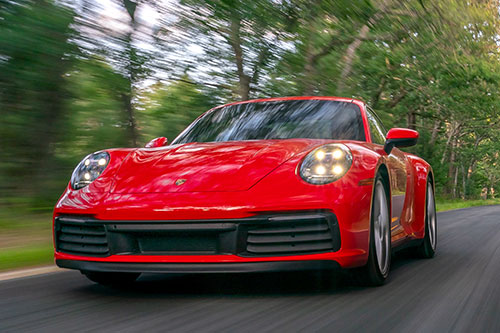 All versions of the 992.1 are easy to drive, park, and have fun in. The ride quality and handling is excellent and options like PASM or PDCC adapt the ride to your circumstances. The 992 is not raw by any means, however it is fun to drive on twisty roads yet refined enough for a comfortable long drive.
Living with a 992.1 911 is about enjoying a near-perfect balance between usability and excitement. It’s refined enough to daily drive and quick enough to thrill on track. Everything about the car is polished and the raw thrills of 911 driving have been removed. Yes, it’s quick and handles beautifully, but it’s all a bit technology blah! From the dashboard to the transmission, the 992.1 is loaded with driver assist technology, digital screens, and programming designed to take the edge off the driving experience. Anyone can drive a 992.1 911 and have fun – no skills required!
992.1 Everyday Usability
Comfort – The 992.1 is even more refined than the 991 versions and clearly leans toward GT-level comfort without losing a sports car edge. With PASM (standard on most models), ride quality is impressively composed over broken pavement. The wider track and updated suspension tuning make it feel planted and secure, even in daily driving. With Front Axle Lift (if equipped), driveway anxiety is largely eliminated!
Interior – Modern, clean, and significantly more digital tech. The 992.1 blends classic 911 DNA (center tach) with an air-cooled straight dashboard layout mixed with high-tech digital displays. Materials are high-quality and the cabin feels more premium than the 991. The minimalist dash design and reduced physical buttons give it a more contemporary, tech-forward feel.
Space – The 992 feels slightly wider inside than the 991, especially across the shoulders. The front trunk remains modest – fine for a carry-on suitcase and small bags but restrictive if heading to the golf course. Rear seats remain the nonsense size for small children or short trips with height challenged adults. The practical use for these rear seats is extra storage space most of the time.
Infotainment – The PCM is significantly improved over the 991. Connectivity is stronger, faster, and more intuitive. The system integrates navigation into the digital cluster and works far more seamlessly than earlier generations, although there are a constant stream of software updates.
Performance & Driving Feel
Driver Interaction – The 992.1 feels more stable and confidence-inspiring than previous generations thanks to its wider stance and updated chassis geometry. It’s still unmistakably a 911, with rear-engine character and strong rear traction. Compared to the 991, steering is sharper and more precise, though still electrically assisted. The car feels more planted at high speed and more predictable at the limit. It’s an easy drive.
Manual vs. PDK – The 8-speed PDK is the standout transmission. It’s extremely quick, smooth in traffic, and intuitive in spirited driving. The 7-speed manual is rare but remains available on select Carrera and GTS models. The PDK remains the performance benchmark and daily-driving favorite.
Noise – The 992.1 uses the twin-turbo flat-six across the range. It delivers strong torque and responsiveness with improved efficiency. While it’s slightly more muted than naturally aspirated older 911s, it still delivers a distinctive Porsche soundtrack. With most cars being fitted with the Porsche Sport Exhaust (PSE) option, the sound is enhanced in character and presence.
Save 20% - Efficient Maintenance Service
 911 992.1 Recommended Maintenance Intervals
Maintenance on the 992.1 is due annually, with an intermediate service at 2 years or 20K miles, and a major service at 4 years or 40K miles. Maintenance is expensive even with low mileage.
Recommended Porsche Repair Shops
Save 20% on Maintenance Service and Repairs
Interior Expectations and Infotainment
 Interior
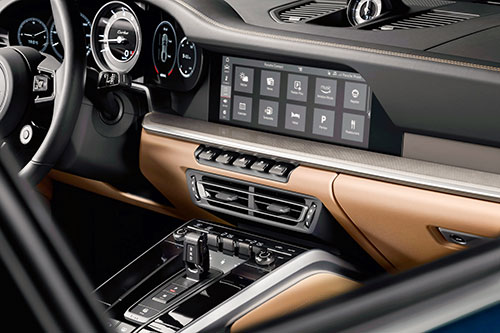
The 992.1 interior moves away from the traditional round analog pods and adopts a modern digital screen layout while still honoring 911 heritage. The classic center tachometer remains analog, but it is now flanked by large curved digital displays that are fully configurable. This gives the cabin a much more contemporary, high-tech feel while retaining a slight nod to tradition.
The dash design is cleaner and more horizontal, inspired by early 911 models but executed with modern materials and tighter fit and finish. The center console remains raised for that cockpit-style feel, but with significantly fewer physical buttons thanks to touchscreen integration. Depending on model and options, expect extensive use of leather, aluminum trim, and high-quality switchgear.
The multifunction steering wheel integrates drive mode controls and provides intuitive access to digital display functions. Standard seats are supportive and comfortable for daily use, while optional 14-way, 18-way Adaptive Sport Seats Plus, or full bucket seats offer increased bolstering for more spirited driving.
 Infotainment
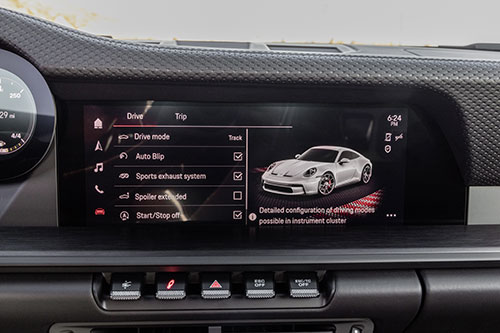
The 992.1 features the latest generation of Porsche Communication Management (PCM) with a larger, high-resolution touchscreen and much faster processing speed than previous systems. The interface is more intuitive, with improved menu structure and customizable home screens.
Apple CarPlay is standard with wireless connectivity seamless integration with the digital instrument cluster. Navigation graphics are sharper and more responsive, and voice control functionality is improved.
Audio systems typically include the standard Sound Package Plus, with optional Bose or Burmester upgrades. USB-C connectivity replaces older USB-A ports, and most models include multiple charging points and wireless phone charging depending on specification.
When buying, ensure all screen functions operate properly, confirm software updates are current, and check for any display glitches, mismatched coloring, or pixel issues in the digital cluster during inspection.
Tire Management and Alignment
The 992.1 911 uses larger and more performance-oriented wheel sizes than earlier generations, reflecting its increased power and wider track. Standard Carreras typically come with 19-inch wheels up front and 20-inch wheels at the rear, which balance ride comfort with strong cornering capability. The higher trims such as Carrera S, GTS, and Turbo models step up to 20-inch front / 21-inch rear wheels, providing a larger contact patch for improved grip and handling precision.
If the car you buy has 19 and 20 inch rims, you’ll be looking at more than $2000 for a set of 4 tires. The rear tires will wear more quickly than the fronts on the 992.1 due to the suspension setup and power delivery. It’s important to stay on top of vehicle alignment – any loss of alignment on the rear of the 911 will eat the inner shoulder of the rear tires rapidly. This is difficult to see because it’s so far under the car but check it regularly or you’ll be buying rear tires way more often than you expect. Tire choice is also critical because it can effect the quality of the feedback from the electronic steering – use the original tire manufacturer if possible.
The alignment specifications for the 992.1 were updated during production. Make sure the car you plan to buy has the latest alignment settings. This is particularly relevant to the ADAS system.
HPDE – Track Days
If your ownership plans include heading out for a track day (HPDE), then the 992 can be a lot of fun. On track, the car is easy to drive quickly, safely, and well balanced.
Your 992 was designed to deliver exceptional performance in fast, dynamic environments such as the Nürburgring. It’s simply not safe to drive fast on the streets – so to learn the art and experience the thrill of safe higher speeds, there are many well organized track day events designed for just such a purpose. Track day events are not racing, nor are they preparation for racing. No times or placings are recorded, and no awards or prizes are received by the participants. Track days are just a lot of fun, thrills and camaraderie. You will be a safer, slower 992 driver on the street, after you learn how to drive fast on the track!
Upgrades and Modifications
There are several manufacturers that support the 992.1 for upgrades such as wheels, exhaust, intake systems, suspension, etc. In addition, many of the body panels, spoilers or bumper assemblies from different model versions are interchangeable with different models. The 992 definitely benefits from an exhaust upgrade if no PSE option was fitted – more sound from the engine is always a good thing. For the 992.1 turbo engines, aftermarket ECU tunes are available to bump the horse power from a standard base Carrera to the levels above that of the GTS models.
 The Porsche 911 992.1 We Would Buy
The 992 is a great choice for practical everyday Porsche motoring and is comfortable enough for road trips with improved suspension. The 992.1 is a practical commute to the office yet can perform at HPDE at the weekend. We think you can use the 992.1 everyday unless it rains heavily – being stuck behind large SUVs and pickup trucks in the rain is not fun.
The most desirable and practical 992.1 cars (outside of a Turbo S or GT3) are the GTS models with the tuned engine and 8-speed PDK transmission. These cars top the HP range of the Carrera and are sporty with plenty of power, yet refined at the same time. The GTS models cost less than the Turbo models and typically will come with all the options fitted as standard. GTS models are harder to find and command a premium price.
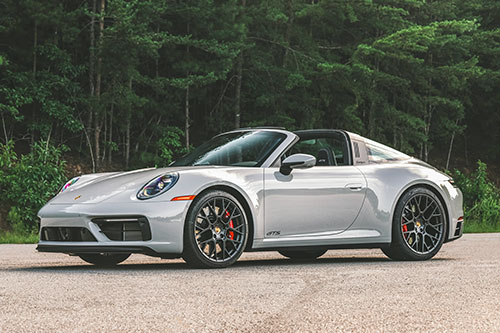
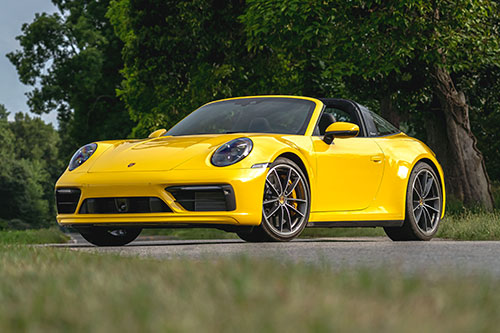 992.1 GTS Targa With Options is Our Pick
The early 992.1 is holding it’s value so, finding a lower mileage Carrera offered with CPO warranty is probably the best buy. Our pick would be a 992.1 S or GTS Targa with all the options fitted. The Targa is unique style – heritage based roof, wide and aggressive with a tuned flat 6 turbo. The Targa is a keeper and if you found a manual version – hang on to it!
No matter the model you choose, the Porsche 992.1 911 is widely regarded as one of the finest versions of the 911 Porsche has built. All models offer a great balance between, performance, everyday usability, exceptional handling, and raw power. All models have good interior quality, sharper styling than their predecessor, and stronger mechanical reliability. We’re not so sure about all the electronics yet – can it be too tech driven?